
Walk the Talk

jaitrali

Emotional focus on companionship without words.

A Guide for the Terminally ill and Their Supporters- Abandonment

When dealing with a terminal illness, the presence of close friends and family is vital for emotional support. Unfortunately, some individuals may find themselves facing their illness without this crucial support network. The experience of being abandoned by loved ones during such a vulnerable time can be incredibly painful and is a reality for many. In this blog post, we will delve into the significant impact of abandonment on those dealing with terminal illness, as well as the powerful role of empathy in offering comfort and solace. The Harsh Reality of Abandonment Receiving a terminal diagnosis is an earth-shattering moment that reshapes one’s entire world. It’s a time when individuals need love, compassion, and unwavering support more than ever. Unfortunately, some people experience the devastating blow of abandonment by their closest friends and family members. This abandonment can manifest in various ways, from physical absence to emotional withdrawal, leaving the terminally ill feeling isolated and alone in their struggle. The emotional toll of abandonment is profound, leading to feelings of betrayal, rejection, and profound sadness. The sense of loss goes beyond the physical decline caused by the illness; it extends to the rupture of vital connections that once provided comfort and strength. Each day becomes a battle not only against the illness but also against the overwhelming sense of abandonment, intensifying the suffering of the individual. Empathy: A Beacon of Light Amid the darkness of abandonment, empathy emerges as a powerful force capable of illuminating the lives of those facing terminal illness. Empathy involves understanding and sharing the feelings of others, and when extended to individuals in such vulnerable circumstances, it can be a source of immeasurable comfort and support. Empathetic gestures can take many forms, from simple acts of kindness to genuine expressions of understanding and compassion. A listening ear, a gentle touch, or a heartfelt message can make a world of difference to someone navigating the complexities of a terminal illness. Empathy reminds individuals that they are not alone, that their experiences are seen and valued, and that their emotions are valid. How to Be Empathetic If you know someone who is facing a terminal illness, here are some practical ways to express empathy and provide meaningful support: In times of profound vulnerability, empathy has the power to heal wounds, restore hope, and provide solace to those facing terminal illness. By extending empathy, we can bridge the gap created by abandonment, nurturing a community of support and compassion that uplifts and sustains individuals in their time of need. In conclusion, the experience of being abandoned by close friends and family members when facing a terminal illness is a devastating reality for many. The Heartbreak of Abandonment: Coping with Terminal Illness Facing a terminal illness is a profoundly challenging experience, testing the limits of one’s emotional resilience and strength. During such trying times, the love and support of close friends and family are often viewed as lifelines, providing comfort, companionship, and a sense of belonging. However, for some individuals, the harsh reality of abandonment by their nearest and dearest adds an additional layer of anguish to an already overwhelming situation. Let’s explore the profound impact of abandonment on those facing terminal illness, while also delving into the transformative power of empathy in providing comfort and solace during life’s most difficult moments. Receiving a terminal diagnosis is a seismic event, altering the course of one’s life and reshaping their entire world. It’s a time when individuals need love, compassion, and unwavering support more than ever. Yet, for some, the support they had counted on begins to wane or disappears altogether. The heart-wrenching experience of being abandoned by those they held closest can exacerbate the already immense emotional burden of their illness. The pain of abandonment manifests in myriad ways: unanswered phone calls, unkept promises of visits, or the tangible absence of once-familiar faces. The resulting isolation and emotional void can be paralyzing, leaving individuals to grapple not only with the physical challenges of their illness but also with the profound emotional impact of feeling deserted by those they had trusted and loved. As the days unfold, the sense of loss caused by abandonment becomes a weight so heavy that it eclipses the physical toll of the illness itself. The once-reassuring presence of loved ones, now conspicuously absent, leaves a void that cannot be easily filled. The emotional anguish of abandonment becomes an unwelcome companion, intensifying the suffering of those already facing the daunting reality of their mortality. Amid the darkness of abandonment, empathy emerges as a powerful force capable of illuminating the lives of those facing terminal illness. Empathy is the ability to understand and share the feelings of others, and when extended to individuals in such vulnerable circumstances, it can be a source of immeasurable comfort and support. Empathy is a language of the heart, a profound connection that transcends words and permeates through genuine gestures and heartfelt actions. It acknowledges the depth of another’s pain, offering solace and understanding in a way that mere sympathy cannot. It is a beacon of light in the darkest of times, a reminder that no one is truly alone in their struggles. If you know someone facing a terminal illness, here are some practical ways to express empathy and provide meaningful support: Listen with an open heart: Offer your presence and lend an empathetic ear. Let them share their feelings and experiences without fear of judgment.

A Guide for the Terminally ill and Their Supporters- Abandonment Read More »

positive self-talk overcoming social anxiety

How Can Positive Self-Talk Help Overcome Social Anxiety?

Social anxiety, also known as social phobia, is a mental health condition characterised by an intense and persistent fear of being judged, negatively evaluated, or rejected in social or performance situations. People with social anxiety often experience significant distress and impairment in their daily lives due to their fears of social interaction. Some signs of social anxiety to look out for include: Impairment in daily functioning: Social anxiety can significantly impact a person’s ability to form relationships, perform well at work or school, and engage in everyday activities. It’s important to note that social anxiety can vary in severity, and not everyone with social anxiety will experience all of these signs. If you or someone you know is exhibiting signs of social anxiety, it’s essential to seek help from a mental health professional for an accurate diagnosis and appropriate treatment. Dealing with social anxiety can be a challenging and overwhelming experience. Challenging negative thoughts: Social anxiety is often fueled by negative and unrealistic thoughts about oneself and others. It’s essential to pay attention to these thoughts and challenge them with more realistic and positive ones. By questioning the validity of these negative thoughts, individuals can begin to reframe their mindset and reduce the power of anxiety-provoking beliefs. > Seek support: Seeking support from a therapist or counsellor can be invaluable for individuals struggling with social anxiety. A mental health professional can provide guidance, support, and evidence-based strategies to help manage and overcome social anxiety. Additionally, joining a support group or confiding in trusted friends and family members can offer a sense of understanding and encouragement. > Focus on the present: Instead of ruminating on past social mishaps or worrying about future interactions, it’s important to focus on the present moment. Mindfulness techniques can help individuals stay grounded and engaged in the here and now, allowing them to better connect with others and reduce anxiety-provoking thoughts. Overcoming social anxiety is a journey that requires patience, persistence, and self-compassion. By incorporating these strategies into your life, you can take proactive steps toward managing social anxiety and cultivating a greater sense of confidence and ease in social situations. Overcoming social anxiety is a journey that requires patience, persistence, and self-compassion. By incorporating these strategies into your life, you can take proactive steps toward managing social anxiety and cultivating a greater sense of confidence and ease in social situations. Remember, it’s okay to seek help and support along the way, and small victories should be celebrated as important milestones on the path to overcoming social anxiety.

How Can Positive Self-Talk Help Overcome Social Anxiety? Read More »

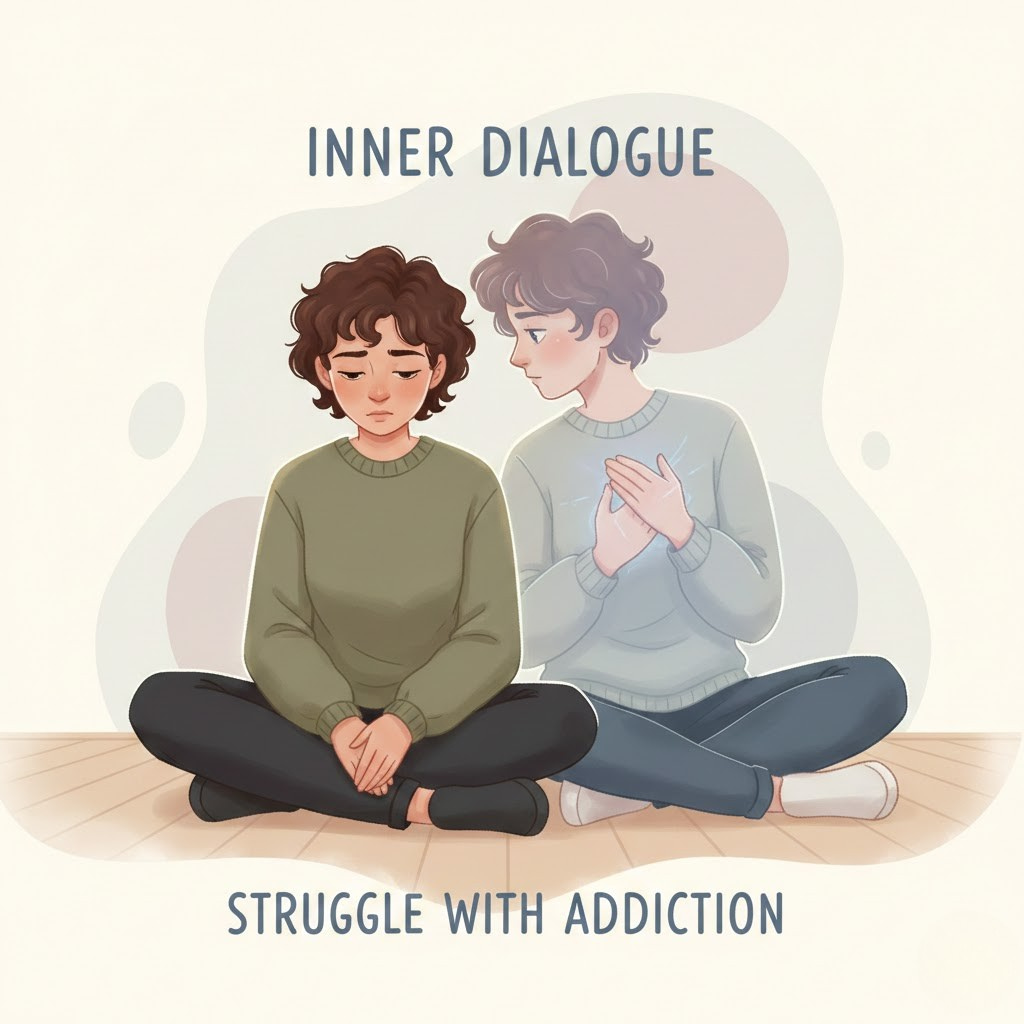
inner dialogue and struggle with addiction.

Viewing the Complex World of Addiction &Understanding Impact, and Recovery

Addiction is a universal human challenge that impacts people from diverse backgrounds. It extends beyond simple habits or choices, involving a powerful and sometimes harmful craving for a substance or behavior. In this discussion, we’ll delve into the complex nature of addiction, examining its different manifestations, the profound effects it has on individuals, and the journey toward healing. Let’s approach this important subject with compassion and insight. Addiction is a complex and often misunderstood issue that affects millions of people around the world. It refers to the compulsive need to engage in a behaviour or consume a substance, despite the negative consequences it may have on an individual’s life. Addiction can take many forms, and its impact can be devastating. In this blog post, we will explore what addiction is, the different types of addiction, and why any kind of addiction can be detrimental to a person’s health and well-being. Addiction is a condition that arises when a person becomes dependent on a particular substance or behavior. This dependency can lead to an inability to control one’s actions, even when they are aware of the harmful effects. Addiction is often characterised by a strong craving for the substance or behaviour, coupled with an increasing tolerance and withdrawal symptoms when the substance or behaviour is not present. The Essence of Addiction: A Closer Look Inner Voice: “I can’t seem to break free from this cycle. It’s like I’m trapped in a never-ending tug-of-war with myself. There are moments when I feel like I have control, but then the cravings come rushing back, stronger than ever. It’s exhausting.” Other Voice: “I know. It’s like we’re caught in a storm, and the waves of desire just keep crashing over us. But we’re not alone in this. We can find a way through.” Types of Addiction: Navigating Diverse Realities  Substance Addiction: This form of addiction encompasses a wide range of substances, including alcohol, nicotine, prescription medications, and illicit drugs. The allure of these substances can be overpowering, leading individuals into a cycle of dependence and harmful consequences. Inner Voice: “I never thought I’d end up here, relying on something outside of myself to feel okay. It’s like I’ve lost sight of who I am.” Other Voice: “We’re still here. We’re still fighting. We’re more than this struggle, and we can find our way back to ourselves.” Behavioural Addiction: Behavioural addictions manifest in compulsive behaviors such as gambling, gaming, shopping, or excessive use of the internet or social media. These behaviors can become a relentless pursuit, often at the expense of one’s mental and emotional well-being. Inner Voice: “I feel like I’m constantly chasing something, but I can never catch it. It’s like I’m stuck in this loop, and I don’t know how to break free.” Other Voice: “We can break free. We can find balance and purpose beyond these compulsions. It’s within our reach.” The Human Toll of Addiction: Navigating the Impact Inner Voice: “The toll this has taken on my life is overwhelming. I’ve hurt the people I love, and I’ve hurt myself. Is there a way to make things right?” Other Voice: “We can’t change the past, but we can shape our future. We can rebuild and heal. It won’t be easy, but it’s possible.” Empathy and Understanding: The Key to Recovery Inner Voice: “I’m scared to ask for help. I’m scared of judgment and failure.” Other Voice: “It’s okay to be scared. But there are people who understand, who want to help us. We deserve support, compassion, and a chance for healing.” Detrimental Effects of Addiction Regardless of the type, addiction can have a detrimental impact on a person’s health and well-being. It can lead to physical health problems, such as liver damage, heart disease, and respiratory issues in the case of substance addiction. Mental health can also suffer, as addiction is often linked to anxiety, depression, and other psychological disorders. Additionally, addiction can strain relationships, lead to financial difficulties, and result in legal issues. Overcoming Addiction Addiction is a serious and multifaceted issue that can take many forms. Whether it involves substances, behaviours, food, or work, addiction can have a profound impact on an individual’s life. It is important to raise awareness about the different types of addiction and to provide support and resources for those who are struggling. With understanding and access to effective treatment, individuals can work towards recovery and lead healthier, more fulfilling lives. Addiction is a tough challenge that goes beyond simple actions or decisions. It’s a struggle that needs care, understanding, and strong support. By talking openly about the different types of addiction and creating a supportive atmosphere for recovery, we can help people take back control of their lives and create new, positive stories. Let’s deal with addiction with kindness and understanding, acknowledging the inner strength and determination of those facing it. Furthermore, overcoming addiction often involves a combination of therapies and support systems. Counselling and therapy can provide individuals with the tools to understand and manage their addiction, while support groups offer a sense of community and shared experiences. Additionally, behavioural therapies, such as behavioural therapy (CBT), Active directive approach in therapy and motivational interviewing, can help individuals identify triggers and develop healthy coping mechanisms. In some cases, medication-assisted treatment may also be beneficial, particularly for substance addictions. It’s important to recognise that each person’s journey to recovery is unique, and finding the right combination of therapies and support is crucial in the process To sum it up, Addiction is a deeply human struggle that transcends mere behaviour or choice. It’s a battle that requires empathy, understanding, and comprehensive support. By shedding light on the various forms of addiction and providing a nurturing environment for recovery, we can help individuals reclaim their lives and rewrite their narratives.

Viewing the Complex World of Addiction &Understanding Impact, and Recovery Read More »

mental wellness aesthetic

The Art of Listening: A Forgotten Skill in Today’s Hustle

In the fast-paced world we live in today, where everyone is constantly on the move, it seems like we have forgotten the art of listening. In our rush to get things done, to meet deadlines, and to keep up with the demands of modern life, we often overlook the simple yet profound act of truly listening to one another. But what is listening, and how is it different from hearing? Hearing is a physical ability; it is the act of perceiving sound by the ear. It is a passive process that occurs automatically whenever sound waves reach our ears. On the other hand, listening is a skill; it is an active and conscious process that involves not just hearing the words being said, but also understanding, interpreting, and responding to them. Listening goes beyond just the ears; it engages the mind, the heart, and even the soul. The importance of listening cannot be overstated. It is the foundation of effective communication and meaningful relationships. When we truly listen to someone, we show them that we value and respect them. We create a space where they can be heard, understood, and accepted. Listening fosters empathy, compassion, and connection. It allows us to learn from others, to see things from different perspectives, and to grow as individuals. Unfortunately, in our hectic and noisy world, the art of listening is often overshadowed by the need to speak, to be heard, and to assert ourselves. We are so preoccupied with our own thoughts, opinions, and agendas that we forget to pause, to be present, and to listen with an open mind and an open heart. We are quick to interrupt, to judge, and to jump to conclusions, without taking the time to truly listen and understand. But it is never too late to rediscover the power of listening. In a world filled with distractions and noise, listening is a precious gift that we can give to ourselves and to others. It requires patience, practice, and presence. It calls for us to put aside our distractions, our biases, and our ego, and to truly tune in to the person speaking to us. So let us make a conscious effort to slow down, to be mindful, and to listen with intent. Let us put down our phones, turn off the noise, and give our full attention to the person in front of us. Let us listen not just with our ears, but with our hearts. In doing so, we can cultivate deeper connections, richer conversations, and a more compassionate world. In conclusion, listening is not just a skill; it is an art. It is a powerful tool that can transform relationships, build trust, and foster understanding. In today’s hustle and bustle, let us not forget the beauty and the importance of listening. Let us reclaim this lost art and rediscover the joy of truly hearing one another.

The Art of Listening: A Forgotten Skill in Today’s Hustle Read More »

internal struggle

Depression & and Clinical Depression

Depression is a widespread mental health condition marked by enduring feelings of sadness, worthlessness, disinterest in activities, and challenges in daily functioning. Clinical depression, also known as major depressive disorder, is a more severe and persistent form of depression that necessitates medical treatment. It is diagnosed when symptoms persist for over two weeks and can significantly hinder a person’s ability to carry out everyday activities. Managing clinical depression often involves a combination of therapy and medication. Clinical depression, on the other hand, refers to a more severe and persistent form of depression that requires medical treatment. It is also known as major depressive disorder and is diagnosed when a person experiences symptoms of depression for more than two weeks. Clinical depression can greatly impact a person’s ability to carry out everyday activities, and it often requires a combination of therapy and medication to manage. Depression is a common mental health disorder characterized by persistent sadness, feelings of worthlessness, loss of interest in activities, and difficulty functioning in day-to-day life. Clinical depression, on the other hand, refers to a more severe and persistent form of depression that requires medical treatment. It is also known as major depressive disorder and is diagnosed when a person experiences symptoms of depression for more than two weeks. Clinical depression can greatly impact a person’s ability to carry out everyday activities, and it often requires a combination of therapy and medication to manage.

Depression & and Clinical Depression Read More »

representing anxiety and stress

Stress & Anxiety, Lets see the difference

Stress and anxiety are two related but distinct concepts that can affect people’s mental and physical health in different ways. Stress and Anxiety are both common mental health conditions that can have a significant impact on a person’s well-being. Depression is characterised by persistent feelings of sadness, worthlessness, and a loss of interest in activities, making it difficult to function in daily life. Clinical depression, also known as major depressive disorder, is a more severe and enduring form of depression that requires medical treatment. When someone experiences symptoms of depression for more than two weeks, they may be diagnosed with clinical depression. This condition can greatly affect a person’s ability to carry out everyday activities and often necessitates a combination of therapy and medication for effective management. Stress Stress is a normal physiological response to a perceived threat or challenge, such as a deadline at work or a difficult exam. It can be caused by external factors, such as work, relationships, or financial difficulties, or internal factors, such as negative self-talk or unrealistic expectations. The body’s stress response is designed to help us cope with these challenges by releasing hormones such as cortisol and adrenaline, which increase heart rate, blood pressure, and respiration. Anxiety, on the other hand, is a more persistent and generalised feeling of worry, apprehension, or fear that can occur even in the absence of an immediate threat. It may be related to specific situations, such as social anxiety or phobias, or it may be more diffuse and generalised, as in generalised anxiety disorder (GAD). Anxiety can also cause physical symptoms, such as muscle tension, sweating, and gastrointestinal problems. While stress and anxiety can share some common symptoms, such as irritability, difficulty concentrating, and sleep disturbances, they differ in their causes and duration. Stress is usually a short-term response to a specific situation, while anxiety may persist even after the stressor has been removed. Additionally, stress can sometimes be a positive and motivating force, while anxiety is generally seen as a negative and disruptive experience. Anxiety “Anxiety is an alarm in your body, that is designed to agitate you” Depression is a common mental health disorder characterised by persistent sadness, feelings of worthlessness, loss of interest in activities, and difficulty functioning in day-to-day life. Clinical depression, on the other hand, refers to a more severe and persistent form of depression that requires medical treatment. It is also known as major depressive disorder and is diagnosed when a person experiences symptoms of depression for more than two weeks. Clinical depression can greatly impact a person’s ability to carry out everyday activities, and it often requires a combination of therapy and medication to manage.

Stress & Anxiety, Lets see the difference Read More »

sharing a deep, heartfelt conversation,

Lets Start Talking Again

Let’s start conversing As we move forward in our daily lives , let us pause, take a moment  to  reflect on an a simple statement. When did we have a meaningful conversation? When did we let our hair down and chat? When was the last time we laughed till our stomach hurt?  When did we stop talking?  Let’s start with a fresh beginning today. In our intricate society, a veil shrouds the depth of emotions that weigh heavily upon the hearts of many. Each soul carries a burden of unspoken truths, yearning for a safe haven to unfurl its vulnerabilities without fear of reproach or judgment. Genuine heart-to-heart connections have grown scarce, overshadowed by a facade of artificiality and superficiality. Within most chests, shields of emptiness guard against the raw touch of genuine emotion. Even with life partners, the walls of communication stand tall, built on foundations of apprehension and the dread of rejection. Unspoken feelings linger, waiting for their chance to break free, yet societal norms dictate that weakness must remain concealed, never to be exalted. Children bear the weight of concealed stresses, while the youth grapple with the shadows of anxiety and depression. The root of this pervasive emotional turmoil lies in the absence of robust social support, the scarcity of non-judgmental companionship, and the relentless pace of modern life that leaves no room for the simple act of sitting in quiet solidarity with a tearful soul. The evolution of our emotional landscape into a realm of stifled expressions can be traced back to the relentless pace and impatience of modern lifestyles, where emotions are often dismissed as mere inconveniences in an era dominated by instant gratification. In a world dominated by WhatsApp, Facebook, and other forms of social media, stress, anxiety, and depression have found a breeding ground within the confines of our disconnected hearts and minds. Unlike our ancestors who thrived on the nourishment of genuine human connection, we have become a generation that shies away from the transformative power of face-to-face conversations, the empathetic act of simply listening, the comforting embrace of shared tears, and the profound solace found in silent companionship – the kind of dialogue that fosters a safe space for unfiltered authenticity, devoid of judgment or fear. In today’s society, we have developed an aversion to such vulnerable exchanges, opting instead to retreat into isolation. Consequently, the epidemic of mental illness continues to cast a shadow over our collective well-being. While the solutions may seem elusive, there is one act of kindness we can all readily offer: the gift of listening. Let us carve out spaces for genuine conversations, free from the shackles of fear and insecurity. Let us reignite the lost art of authentic dialogue, where hearts can unfurl their truths and souls can find solace in the simple act of being heard. Together, let us embark on a journey back to the profound beauty of human connection through the transformative power of genuine conversation.  Let’s start talking again.

Lets Start Talking Again Read More »

empowerment and education

Navigating the “Birds and Bees” Talk: Empowering Children with Knowledge and Support

Having conversations about sex and sexual health with children and teenagers can be an emotional rollercoaster. However, being respectful, open, and honest can go a long way in providing the guidance and support they need. Trusted adults have a responsibility to educate children about personal safety, protecting themselves from abuse and exploitation. Instead of stigmatizing sex, it is important to empower them with an understanding of safety, consequences, and managing peer influence during this crucial stage of their lives. Promoting Personal Safety and Awareness: When discussing the “Birds and Bees” with children, it is crucial to emphasize personal safety. Teach them about boundaries, consent, and recognizing inappropriate behavior from others. By providing them with knowledge about personal safety, children can develop the tools to protect themselves and seek help if needed. This empowers them and instills a sense of control over their own well-being. Empowering with Knowledge, Not Shame: It is important to move away from shame-based approaches when tackling the topic of sex with children and teenagers. Instead of demonizing sex, provide them with accurate and age-appropriate information. Teach them about the potential consequences of their actions and the importance of responsible decision-making. By promoting understanding, respect, and consequences, we empower young individuals to make informed choices about their own bodies and relationships. Managing Peer Influence: During adolescence, peer influence can be significant as teenagers try to find their identity and fit in. It is crucial to counsel them on managing this influence and making decisions based on their own values and beliefs. Help them build resilience, self-esteem, and confidence to resist negative peer pressure. By empowering them to make choices aligned with their own well-being, we foster a sense of autonomy and self-empowerment.   Creating an Open and Supportive Environment: To have effective conversations about sex and sexuality, it is important to create a safe and non-judgmental environment. Encourage open dialogue, where children feel comfortable asking questions and discussing their concerns. By being a trusted adult who is willing to listen, provide guidance, and offer support, we foster a healthy foundation for them to explore their own sexuality. Conclusion: Having open and honest conversations about sex and sexual health with children and teenagers is essential for their well-being and safety. By approaching these discussions with respect, knowledge, and empowerment, we can equip them with the tools they need to protect themselves, make responsible decisions, and navigate peer influences. Let us take on the responsibility of providing the guidance, support, and understanding they need during this formative stage of their lives. Studies have highlighted the significance of early, frank, and age-appropriate conversations about safe sex in reducing unwanted pregnancies among teenagers. By engaging in these discussions, we can educate both boys and girls about early childbearing, safe abortions, and the potential impacts of teenage pregnancy on their lives, families, and future prospects. In this blog post, we will explore the importance of open dialogue and providing comprehensive information to empower youth in making informed choices about their sexual health. Reducing Unwanted Pregnancies through Education: Early conversations about safe sex are crucial in preventing unwanted pregnancies among teenagers. By providing age-appropriate information about contraception methods, the importance of using protection, and understanding the potential consequences of unprotected sexual activities, we can equip young individuals with the knowledge they need to make responsible decisions. Educating both boys and girls about the risks, challenges, and implications of early childbearing can help them navigate their sexual health more effectively. Promoting Awareness about Safe Abortions: In addition to discussing safe sex practices, it is equally important to educate teenagers about safe abortion options. Providing factual information about the available methods, their legal status, and the importance of seeking professional medical help can ensure that teenagers understand their rights and have access to appropriate healthcare services if needed. By removing the stigma surrounding abortions and promoting awareness, we can empower teenagers to make informed choices about their reproductive health. Understanding the Effects of Teenage Pregnancy: Teenage pregnancy not only has immediate effects on the lives and health of young individuals but also has long-term consequences that can impact their families and future opportunities. By discussing the potential challenges of parenting at a young age, the financial implications, and the limited educational and career prospects, we can emphasize the importance of preventing unplanned pregnancies. This understanding can motivate teenagers to take steps to protect themselves and their futures. Comprehensive and Inclusive Education: Comprehensive sex education should include discussions about safe sex practices, contraception methods, the importance of consent and communication in relationships, and the potential repercussions of engaging in sexual activities at a young age. It should be delivered in an age-appropriate manner, addressing the specific needs and concerns of teenagers. By providing inclusive education that addresses gender equality, LGBTQ+ issues, and diverse sexual orientations, we create an environment that embraces diversity and respects individual choices. Parental Support and Guidance: Parents play a crucial role in facilitating these conversations and providing support and guidance to their children. By creating an open and non-judgmental environment where teenagers feel comfortable discussing their questions, concerns, and experiences, parents can foster a safe space for communication. Supporting comprehensive sex education initiatives in schools and engaging in ongoing dialogue with educators can further reinforce the messages of safety and responsibility. Conclusion: Empowering youth through early, frank, and age-appropriate conversations about safe sex is vital in reducing unwanted pregnancies and ensuring their overall well-being. By providing comprehensive education, promoting awareness about safe abortions, and helping teenagers understand the implications of teenage pregnancy, we equip them with the knowledge and tools to make informed decisions about their sexual health. Let us embrace these discussions, encourage open dialogue, and support initiatives that prioritize comprehensive sex education, enabling young individuals to build healthier and brighter futures.

Navigating the “Birds and Bees” Talk: Empowering Children with Knowledge and Support Read More »

reclaiming identity

How is Autoimmune Counselling Different from Normal Therapy

Counselling for individuals with autoimmune conditions, such as multiple sclerosis (MS), may differ from normal counselling in a few key ways due to the unique challenges and experiences associated with living with an autoimmune disease. Here are some factors that can contribute to the differences: 1. Disease-specific knowledge: Counsellors specializing in autoimmune conditions often have a deep understanding of the physical, emotional, and psychological effects that these diseases can have on individuals. They are familiar with the specific symptoms, challenges, and treatment options related to autoimmune conditions, enabling them to provide tailored support and guidance. 2. Emotional impact: Autoimmune conditions can have a significant emotional impact on individuals. Coping with chronic pain, fatigue, uncertainty, and the potential limitations imposed by the disease can lead to emotional distress, including anxiety, depression, grief, and frustration. Counsellors experienced in working with autoimmune patients can help individuals navigate and manage these complex emotions and develop coping strategies specific to their condition. 3. Adjustment and lifestyle changes: Autoimmune conditions often require individuals to make significant adjustments to their daily lives, including changes in diet, exercise routines, work schedules, and social activities. Counselling for individuals with autoimmune conditions may focus on helping them adapt to these changes, explore feelings of loss or frustration, and find ways to maintain a sense of control and well-being amidst the challenges. 4. Self-identity and self-esteem: Autoimmune conditions can impact one’s self-identity and self-esteem. Individuals may struggle with feelings of inadequacy, loss of independence, or a sense of being defined by their illness. Counselling can support individuals in exploring their self-perception, building self-compassion, and finding ways to maintain a positive self-image while living with an autoimmune condition. 5. Peer support and community involvement: Counselling for individuals with autoimmune conditions may also involve discussions around connecting with support groups, online communities, or other individuals who share similar experiences. Engaging with peers facing similar challenges can provide validation, understanding, and valuable insights that can be empowering and comforting. It’s important to note that while there may be differences in the focus and expertise of counselling for autoimmune conditions, the core principles of therapy, such as empathy, active listening, and collaboration, remain the same. The goal is to provide a safe and supportive space where individuals can explore their emotions, develop coping strategies, and work towards a greater sense of well-being, regardless of the specific challenges posed by their autoimmune condition.

How is Autoimmune Counselling Different from Normal Therapy Read More »