Walk the Talk

Blog

Your blog category

Embracing the Gentle Power of Therapy

Embracing the Gentle Power of Therapy

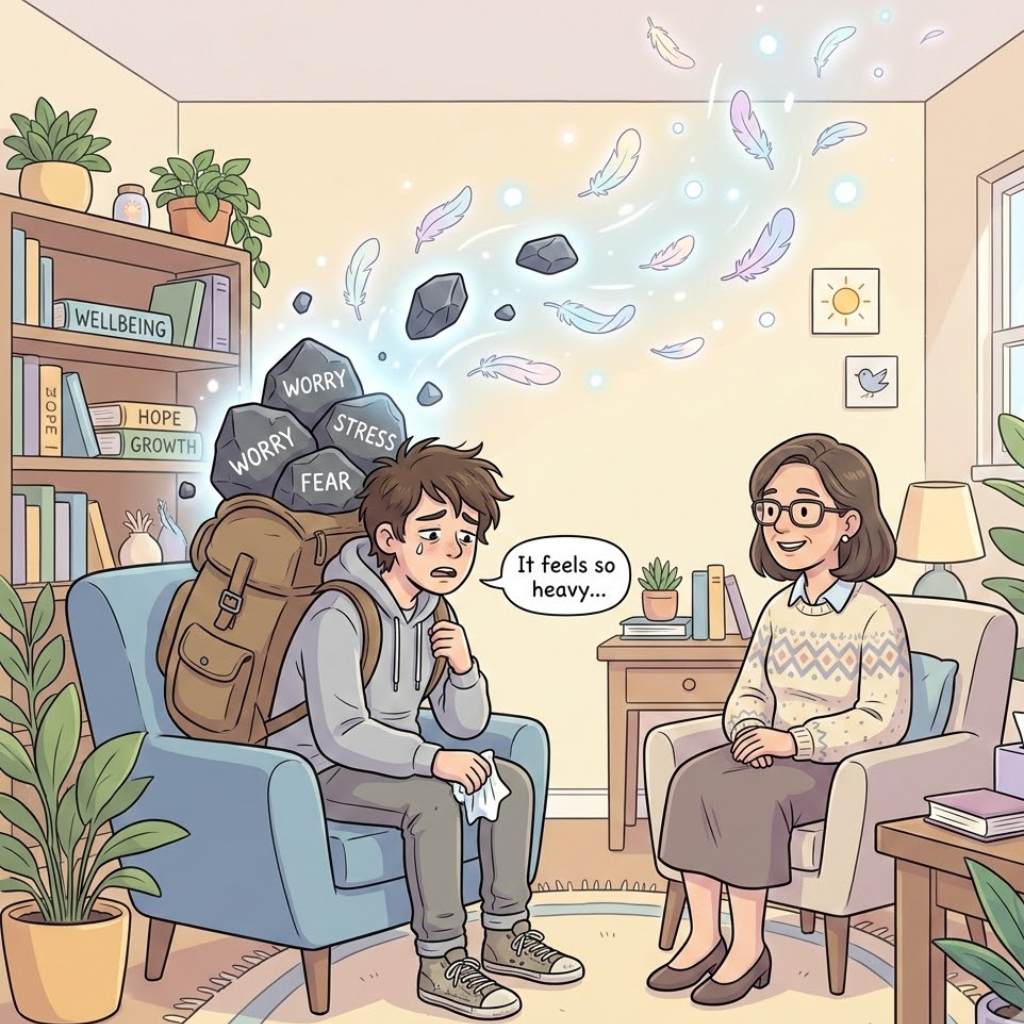
Have you ever noticed how life can sometimes feel like a perfectly set jelly? It looks smooth and stable on the surface, but when you dig in, it’s all wobbly and unpredictable. Our emotional well-being can be quite similar. From a distance, everything seems fine, but as we navigate through our days, stress and emotions can cluster and wobble beneath that seemingly steady facade. We all experience this from time to time. It’s easy to shrug off a stressful day, thinking it’s just part of life’s rhythm. But what happens when these moments start piling up? When they demand attention in ways we can no longer ignore? Often, this is when we find ourselves needing more than just a good night’s sleep or a chat with a friend. This is when counselling or therapy can step in as a gentle, guiding hand. Here’s the thing: therapy isn’t just for those who are emotionally overwhelmed or clinically unwell. It’s a misconception that has unfortunately kept many from seeking the help they need. Therapy is like a heartfelt conversation, a walk where you can talk freely without fear of judgment or neglect. It’s a space where your thoughts and feelings are validated, not pitied or dismissed. Imagine you’re carrying a heavy backpack. Each stress, each unresolved emotion, adds a stone to that backpack. At first, you might not notice the weight. You might even convince yourself that you can handle it. But as time goes on, the load becomes unbearable. Therapy is like finding a place to sit, to unpack that backpack, and understand each stone you’ve been carrying. It’s about lightening your load before it becomes too much to bear. Talking to a therapist isn’t about receiving unwanted advice or being told what to do. It’s about having someone walk alongside you, helping you explore your thoughts and feelings, and finding your own path forward. It’s about nipping issues in the bud before they grow into something more complex and harder to manage. We all need to talk. We all need to be heard. And sometimes, we need a little help to do that. Seeking therapy is not a sign of weakness; it’s a step towards strength. It’s a way to care for your emotional well-being, just as you would care for your physical health. So, let’s walk the talk. Let’s embrace the power of conversation and the healing it can bring. Let’s acknowledge that it’s okay to seek help and that doing so can prevent more serious issues down the road. Therapy is for everyone – for you, for me, for anyone who needs a safe space to unpack their thoughts and feelings. It’s a gentle reminder that we don’t have to carry our burdens alone. Remember, it’s okay to reach out. It’s okay to talk. And sometimes, that simple act of walking and talking can make all the difference.

Embracing the Gentle Power of Therapy Read More »

Riding the Waves of Resilience, Navigating Life’s Twists with Multiple Sclerosis

Riding the Waves of Resilience, Navigating Life’s Twists with Multiple Sclerosis

 “Embracing the Rollercoaster Ride   Managing the  Emotional Ups and Downs of Living with MS”  Let’s talk about this rollercoaster ride called multiple sclerosis (MS) from the heart, as if we’re sitting down together, sharing stories and experiences. The First Climb: A Journey Begins! You know that feeling when the rollercoaster is just starting, and you’re slowly going up, up, up? That’s like the beginning of life with MS. There’s a lot of uncertainty, maybe some fear, but also a quiet strength building up inside. You’re not alone on this ride. Together, we’ll reach for the sky and look beyond the horizon. The Highs: Moments of Clarity and Joy At the top, there’s a moment where everything seems still. You can see the world around you, feel the wind in your hair, and for a moment, MS doesn’t define you. You’re just you, taking in the view. In these moments, we find joy in the little things—a smile, a kind word, a good day. The Dips: When Things Get Tough Then comes the drop, and it can be scary. Symptoms might flare up, and it feels like the world is rushing by too fast. But hold on tight. Remember, it’s okay to feel scared or sad. It’s part of being human. And when it gets too much, there’s always someone to reach out to—friends, family, a therapist. They’re the safety bar that keeps you secure. The Twists and Turns: Embracing Change Life with MS is full of twists and turns. Some days you feel on top of the world; other days, it’s a struggle to get out of bed. But every turn is a chance to learn something new about yourself. It’s about adapting, growing, and finding new ways to face each day. The Loop-the-Loops: When Emotions Spin Sometimes, emotions can spin like a loop-the-loop. One minute you’re fine, the next, you’re not. It’s disorienting, but it’s also a sign to take a step back. Therapy isn’t just about talking; it’s about finding balance and learning to ride out the spin until you’re right-side-up again. The Moment of Diagnosis: A Psychological Crossroads The diagnosis of multiple sclerosis (MS) marks a pivotal moment in one’s life, a crossroads where the psychological landscape shifts dramatically. It’s a time when the invisible symptoms aren’t just physical but deeply emotional. The initial shock can give way to a cascade of feelings—denial, anger, fear, and grief. These are natural responses to a life-changing event, and acknowledging them is the first step towards healing. Understanding the Invisible Battle MS brings with it symptoms that aren’t always visible to the outside world, making the psychological struggle all the more isolating. Fatigue, cognitive fog, and mood swings can be just as debilitating as any physical symptom. It’s essential to recognize that this invisible battle is real and valid, and it’s okay to seek help The Role of Therapy: Finding the Right Guide Post diagnosis, therapy can be a lighthouse in the storm. A therapist who understands the nuances of MS can be an invaluable asset. They can offer strategies to cope with the emotional turmoil, provide a safe space to process the complex feelings, and help you build resilience against the invisible symptoms. It’s not just about managing the condition; it’s about nurturing your mental well-being. Embracing the Journey with Compassion Living with MS is a journey that requires compassion, both for oneself and from others. It’s about finding strength in vulnerability and courage in the face of uncertainty. By embracing therapeutic support, you’re not just managing symptoms; you’re taking control of your emotional well-being and riding the rollercoaster with a sense of hope and determination. Remember, the right therapist can make all the difference, offering guidance and understanding as you navigate the ups and downs of MS. They see beyond the invisible symptoms and help you chart a course through the emotional landscape with empathy and expertise. The Final Stretch: Looking Back with Pride As the ride slows down, you look back at the path you’ve traveled. It’s been wild, it’s been rough, but you’ve made it through. Living with MS is a testament to your strength, and every challenge faced is a victory won. This rollercoaster isn’t just a ride; it’s a part of your life’s story. And in sharing this story, we connect, we understand, and we support each other. So here’s to us, the brave souls riding this rollercoaster. May we always find the strength to embrace the ups and downs of this journey. It’s difficult but not IMPOSSIBLE! Let’s make that “I Am Possible” instead?

Riding the Waves of Resilience, Navigating Life’s Twists with Multiple Sclerosis Read More »

Beyond the Visible Confronting the Silent Struggles Within MS

Beyond the Visible Confronting the Silent Struggles Within MS

In my practice, I have borne witness to a poignant sorrow that often remains unspoken—a silent grief that permeates the lives of many individuals with multiple sclerosis (MS). Beyond the physical challenges that the eye can see lies a constellation of invisible symptoms that can be just as debilitating, if not more so. It is within these veiled struggles that I’ve observed an unexpected form of solitude that comes not from a desire for isolation, but from the fear of disbelief and the erosion of trust. People living with MS are often encumbered with cognitive impairments and emotional volatility that are as real and as painful as any physical wound, yet they are frequently hesitant to share these struggles with friends, relatives, or even their doctors. This reticence stems not from a lack of desire to communicate or a reluctance to acknowledge their condition, but rather from the fear that their invisible pain will be met with skepticism or, worse, dismissal. The heartache that accompanies this disbelief is profound. To voice your truth and be met with doubt cuts deeply; it is a betrayal of trust that can exacerbate the loneliness that often accompanies chronic illness. When your reality is questioned, it’s like being trapped in a glass room, screaming for help, yet the world only sees you silently mouthing words, choosing to interpret your silence as serenity rather than a cry for understanding. It is a cruel irony that those with MS may fight not only against their own bodies but also against the prevailing narratives of what illness should look like. In a society that often values visible, tangible proof over subjective experience, the symptoms of MS that lurk beneath the surface can be the most difficult to validate and manage. As a therapist, I strive to create a haven for the unseen, a place where the silent struggles are acknowledged and given voice. It is a space where the sadness of not being believed is recognized as a legitimate part of the journey, where the fear of not being trusted can be unpacked and understood. It is my role to help those with MS navigate the disbelief they may encounter and to arm them with strategies to communicate their experiences in a way that fosters understanding and support. This includes helping my clients to articulate their symptoms with clarity, to advocate for themselves with confidence, and to educate their support networks about the less visible aspects of MS. It’s about giving credence to their experiences, validating their feelings, and empowering them to stand firm in their truth—even when others may doubt. The path forward involves not only educating others but also fostering an environment where individuals with MS can speak openly without fear. We must work towards a world where the unseen is given as much attention and care as the seen, where trust is built on the foundation of empathy and understanding. For those living with MS, remember that your pain, though invisible, is valid. Your struggles, though silent, are heard. And your journey, though fraught with unseen battles, is shared with more people than you might realize. As a psychotherapist, I stand with you in the whispers of resilience that echo through the silent sorrow, ready to amplify your voice until the world listens with the belief it deserves.

Beyond the Visible Confronting the Silent Struggles Within MS Read More »

letting go

Letting Go

In the tapestry of life, each thread is a connection, a bond that we form with people, places, and experiences. These threads color our existence with joy, sorrow, love, and learning. But there comes a time when we must learn the art of letting go, not because we want to sever these threads, but because holding on can sometimes prevent us from growing and moving forward. Letting go is an act of courage. It’s the silent acknowledgment that some things are meant to be transient. It’s the acceptance that not every person we meet is supposed to stay in our lives forever, not every job is meant to lead to a career, and not every place we visit is meant to become home. It’s about understanding that memories are to be cherished, not clung to, lessons are to be learned, not regretted. Letting go doesn’t mean forgetting; it means we stop carrying the weight of the past with us. Forgiveness is a key to letting go. It’s the balm that heals old wounds, allowing us to free ourselves from the chains of anger and resentment. It’s a gift we give ourselves, a chance to find peace and start anew. Gratitude plays its part too. Being thankful for the experience, for the joy once felt, for the growth that came from pain, turns letting go from a loss into a gain. It’s recognizing that every experience has shaped us, and for that, we are grateful. Hope is what we hold onto when we let go. It’s the belief that the future holds new connections, new joys, and new lessons. It’s the light that guides us through the darkness of uncertainty, the assurance that there is more to come. In the end, letting go is about self-love. It’s a declaration that we deserve to move forward, to continue our journey unburdened. It’s an act of faith in ourselves, knowing that we have the strength to endure goodbyes and embrace hellos. As we let go, we should do so with grace, knowing that each thread that was once a part of our tapestry has left its mark, and we are all the more beautiful for it. The Challenge and the Triumph Letting go is often a silent struggle, a battle between the heart and the mind. The heart, a keeper of memories, clings to the echoes of laughter, the warmth of a hug, or the comfort of familiarity. The mind, on the other hand, seeks to protect us from the pain of holding on to what no longer serves our well-being. The Difficulty of Letting Go The difficulty in letting go lies in the fear of the unknown. There’s a certain safety in the familiar, even if it’s painful. Letting go of someone or an incident means stepping into uncharted territory. It’s like standing at the edge of a cliff, not knowing if there’s something on the other side to catch you. It’s also about confronting the reality that some things are beyond our control. We cannot change the past, nor can we force others to stay when their part in our story has ended. This realization can be both humbling and heartbreaking. The Benefits of Letting Go Yet, the act of letting go is not just about loss—it’s about liberation. It frees up emotional space for new experiences, relationships, and opportunities. It allows us to live in the present, rather than being anchored to the past. When we let go, we give ourselves the chance to heal. We open the door to personal growth, learning how to be resilient, how to adapt, and how to find happiness within ourselves. It’s the first step towards building a life that’s not defined by what we’ve lost, but by what we have the courage to pursue. Embracing the Process Letting go is a process, not a one-time event. It’s a series of decisions, small steps taken every day towards acceptance and peace. It’s okay to grieve, to feel the loss, but it’s also important to remember that every ending is a chance for a new beginning. In the end, letting go is one of the most profound acts of self-love. It’s choosing your own well-being over the comfort of the known. It’s saying to yourself, “I am strong enough to move on, and I am worthy of a future filled with possibility.” Letting go is a transformative journey that leads us to newfound freedom and peace. It’s about releasing the weight of past burdens and embracing the present with open arms. As we close this chapter, remember that letting go is not an act of loss, but a courageous step towards self-discovery and growth. May you find the strength to release what no longer serves you, and may your heart be light as you move forward with grace and resilience. Let this be your moment of liberation, a time when you can truly say, “I am free.”

Letting Go Read More »

Restrain From Saying This to Anyone Who is Suffering from Multiple Sclerosis

Restrain From Saying This to Anyone Who is Suffering from Multiple Sclerosis

Most of us are not aware of the fact that Autoimmune Disorders are mainly invisible. It does not show on our faces. What you see is only the tip of the ice berg but what goes within us is a storm a volcano that cannot be explained in words. We feel frustrated as we are mostly unable to explain…. And the other is unable to understand. Only an Autoimmune person can relate to another.  This is a subtle and humorous way of letting all know the spirit within us all  I know I look good. I’m not fooling anyone. I’m just trying to distract you from the fact that I’m constantly falling down, running into things, and forgetting what I’m doing. I’m like a human version of Wile E. Coyote. But hey, at least I can still look good while I’m doing it. I was in the hospital recently, and all my visitors could say was “You look good.” Thanks, but I don’t feel good. I feel like I’ve been hit by a bus. But I’m not going to let that stop me from looking good. I’m going to keep putting on my makeup, doing my hair, and wearing my favorite clothes. Because even when I’m feeling my worst, I still want to look my best. So next time you see someone who looks good, don’t just assume they’re feeling good. They might be fighting a battle you know nothing about. But they’re still putting on a brave face and trying to look their best. So give them a break. And maybe even give them a compliment. Because even if they don’t feel good, they’ll appreciate it. And who knows? Maybe they’ll even laugh. Because sometimes, the best way to deal with a tough situation is to find the humor in it. And if you can laugh at yourself, you can pretty much laugh at anything. So go ahead and laugh. Laugh at me. Laugh at my pain. Laugh at my disability. But most of all, laugh with me. Because together, we can make the world a little bit brighter.

Restrain From Saying This to Anyone Who is Suffering from Multiple Sclerosis Read More »

A role of a care giver & why do they may require help, counselling or talk therapy from time to time?

A role of a care giver & why do they may require help, counselling or talk therapy from time to time?

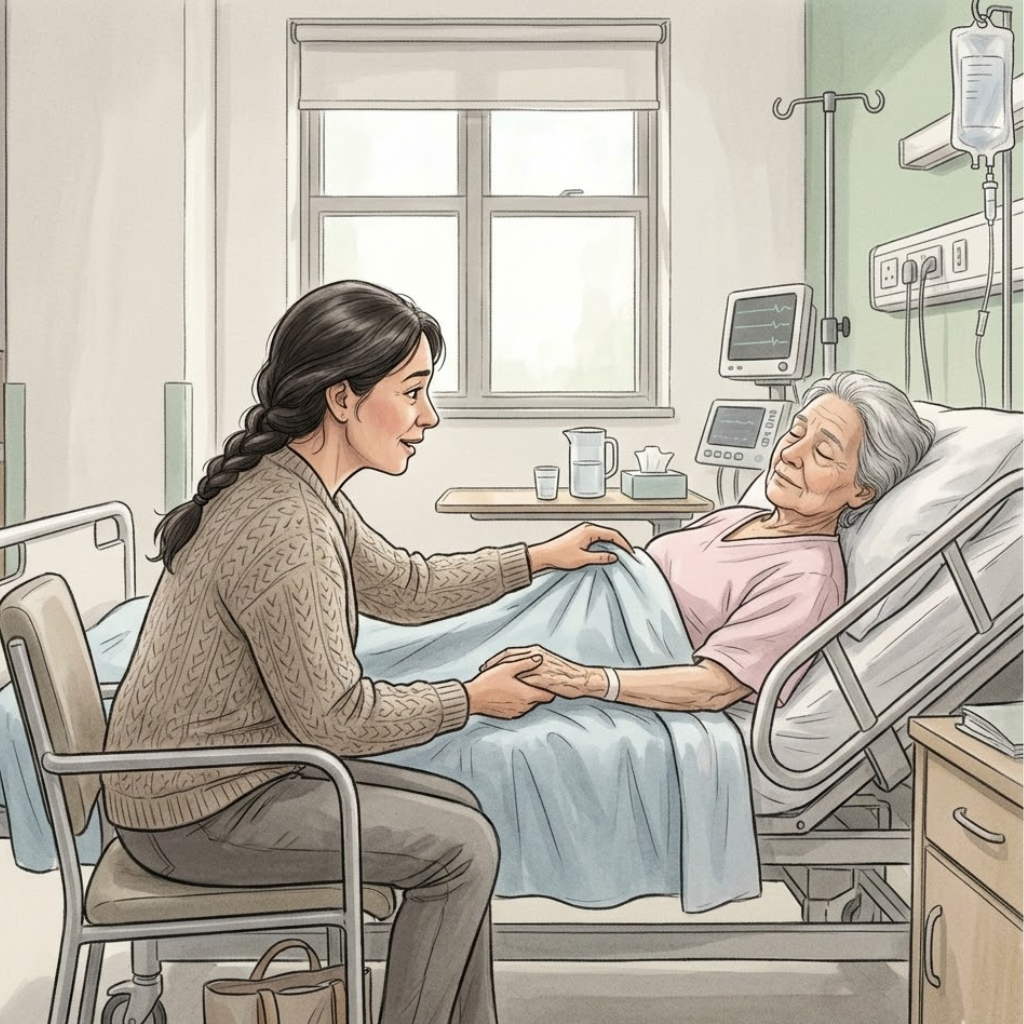
Caregivers are the silent and most vital partners in the healthcare system. They are the ones who provide the day-to-day care for their loved ones who are sick or disabled. They are often the ones who make the tough decisions about treatment and care. And they are often the ones who suffer the most when their loved one’s condition deteriorates. Caregivers are often invisible to the healthcare system. They are not always recognized for their contributions, and they may not have access to the resources and support they need. This can lead to caregiver burnout, which can have a negative impact on both the caregiver and the person they are caring for. We need to hear the voices of caregivers. We need to recognize their sacrifices and appreciate their contributions. We need to support them with resources and services so that they can continue to care for their loved ones without being overwhelmed. Here are some specific ways to help caregivers: Listen to their stories. Caregivers often feel isolated and alone. Just listening to their stories can be a great way to show your support. Offer practical help. This could include things like cooking meals, running errands, or providing respite care. Refer them to resources. There are many resources available to caregivers, such as support groups, counselling services, and financial assistance. Be patient and understanding. Caregiving is a demanding job, and caregivers need our understanding and support. Let’s all do our part to support caregivers. They deserve to be heard and they deserve our help. Here are some additional thoughts on why caregivers need to be heard: Caregiving is a physically and emotionally demanding job. Caregivers often have to make difficult decisions about their loved one’s care. Caregivers may have to give up their own jobs, hobbies, and social activities. Caregivers may experience financial hardship due to the cost of caregiving. Caregivers may experience isolation and loneliness. Caregivers may experience stress, anxiety, and depression. It is important to remember that caregivers are human beings too. They need our support and understanding. We need to hear their voices and let them know that we care. There are times when a caregiver also needs to seek help from counsellors to vent out and more than that to know how exactly to handle the effected. It’s not always easy and one needs professional help too. Caregivers are the silent partners in the healthcare system. They are the ones who provide the day-to-day care for their loved ones who are sick or disabled. They are often the ones who make the tough decisions about treatment and care. And they are often the ones who suffer the most when their loved one’s condition deteriorates. Caregivers may have to give up their own jobs, hobbies, and social activities. Caregivers may experience financial hardship due to the cost of caregiving. Caregivers may experience isolation and loneliness. Caregivers may experience stress, anxiety, and depression. It is important to remember that caregivers are human beings too. They need our support and understanding. We need to hear their voices and let them know that we care.

A role of a care giver & why do they may require help, counselling or talk therapy from time to time? Read More »

Masturbation: A Controversial Dichotomy - Taboo/Sin or Natural and Beneficial

Masturbation: A Controversial Dichotomy – Taboo/Sin or Natural and Beneficial

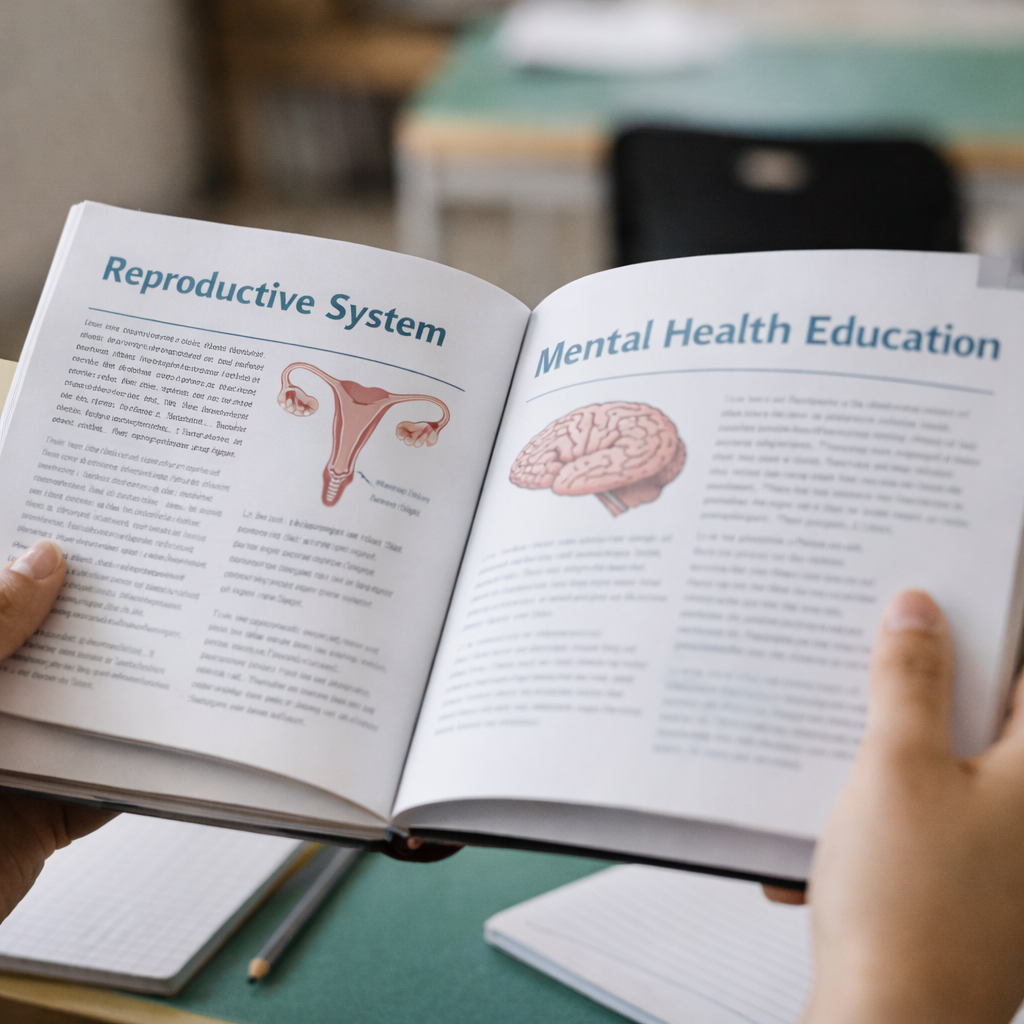
In our relentless pursuit of education, we immerse ourselves in the hallowed halls of schools, emerging as learned individuals in various esteemed professions such as medicine, engineering, and chartered accountancy, to name but a few. However, in this pursuit of knowledge, have we ever paused to reflect upon the glaring omission within our educational institutions, even the most advanced international ones? It is a lamentable truth that the topic of sex education remains largely neglected, with a dearth of appropriate resources, comprehensive information, and an exploration of both the truths and fallacies surrounding this subject. Regrettably, the burden of educating children about sexuality often falls upon their peers or, worse yet, the distorted lens of pornography. Such avenues not only propagate falsehoods but also perpetuate a culture of misinformation, providing only fleeting gratification to inquisitive minds in the throes of adolescence. Trapped within the confines of societal taboos and religious dogmas, children are left grappling with their questions, curiosities, and thirst for knowledge, while being stigmatized as transgressors by the very figures of authority meant to guide them—their parents and teachers. It is disheartening that, even in an era where we have ventured to the moon and beyond, the simple matter of sex education remains shrouded in inappropriate silence. Adolescence, the phase of life characterized by profound curiosity and hormonal upheavals, is when young boys and girls find themselves at a crossroads. Yet, they are denied a proper channel to express their queries and satiate their thirst for understanding. Parents, often overwhelmed or embarrassed, shy away from addressing these crucial matters, while teachers, fearing a diversion from academic pursuits, choose to evade the subject altogether. However, it is precisely within this juncture that adolescents crave guidance and reassurance, a safe space where they can be enlightened about the intricacies of sexuality, learning not only the do’s and don’ts but also fostering a sense of comfort and ease. The dichotomy surrounding masturbation persists—an ongoing debate between those who view it as a taboo or sin and those who recognize its natural and healthful aspects. Nonetheless, it is imperative that we transcend these archaic beliefs and embrace a more enlightened perspective. By integrating comprehensive sex education into our educational systems, we can empower our youth with accurate knowledge, dispel myths, and nurture a generation that is well-informed, sexually confident, and equipped to make informed choices for their own well-being. The Crucial Discourse on Masturbation: An Authoritative Perspective Returning to the focal point of our discussion today—masturbation—I am compelled to share an enlightening experience I recently encountered while watching the thought-provoking film entitled “OMG 2” (Oh My God 2). This cinematic masterpiece serves as an awakening for parents and educators alike, emphasizing the paramount significance of engaging in open dialogue surrounding this subject. Despite our willingness to discuss various aspects of our physical anatomy, we inexplicably retreat when it comes to addressing our private regions. But let us pause and reflect: are these not integral parts of our corporeal existence? Should we not be permitted to explore and comprehend each facet of our being, unencumbered by shame or inhibition? It is incumbent upon us, as parents and educators, to rectify our past oversights and recognize the profound importance of imparting knowledge on this matter. Failure to do so gravely exposes our impressionable youth to charlatans masquerading as sexologists, who exploit their innocence by peddling dubious concoctions such as oils, pills, and other deleterious substances that pose significant threats to their well-being. Consequently, those ensnared in this web of deceit find themselves reduced to objects of scorn and derision within society’s unforgiving gaze. Let us be unequivocally clear that masturbation, when taught in an appropriate manner, is a fundamentally safe practice. This holds true for both boys and girls as they navigate the tumultuous seas of puberty. Beyond its inherent safety, masturbation serves as a vital and healthful outlet, effectively reducing the inclination to engage prematurely in intimate encounters. By embracing this natural act, we can tangibly contribute to the reduction of heinous crimes such as sexual assault, while concurrently alleviating the burdens of anxiety and stress that plague so many individuals. Moreover, it is imperative to recognize that masturbation requires no external validation or consent; it is a deeply personal and individualistic experience that empowers individuals to explore their own bodies, fostering a sense of self-awareness and autonomy. Let us cast aside the veils of ignorance and prejudice that have long engulfed discussions on masturbation. By diligently imparting comprehensive knowledge and fostering an environment of open communication, we can dismantle the societal shackles that have stigmatized this natural act for far too long. Embracing the merits of masturbation undoubtedly contributes to the holistic well-being of our youth, nurturing a generation that is not only sexually enlightened but also equipped to navigate the complexities of intimacy with responsibility, respect, and consent. Let’s make Sex Education as important as any other subjects and as a joint session, without segregating the girls and the boys. The Imperative Call for Openness in Sex Education: Embracing Accurate Terminology In our noble pursuit of fostering a society that values truth and knowledge, we must shed the veils of euphemism and embrace the power of precise language. It is time to reclaim the rightful names of our private parts, unapologetically acknowledging them as PENIS and VAGINA, or as the esteemed Indian tradition designates them, YONI and LING. Just as we confidently refer to our visage as our face, our lips as lips, and our extremities as hands and feet, let us extend this same authenticity to our genitalia. For they, too, are integral components of our physical form, deserving of our reverence and understanding. By employing accurate terminology, we empower ourselves and our children to engage in open and honest discussions about our bodies. The use of pet names, born out of societal discomfort or misguided attempts at propriety, serves only to perpetuate a culture of shame and secrecy. We must confront the fallacy that surrounds discussions on sex

Masturbation: A Controversial Dichotomy – Taboo/Sin or Natural and Beneficial Read More »

Demystifying the Roles of Counsellor, Psychotherapist, and Psychologist

Demystifying the Roles of Counsellor, Psychotherapist, and Psychologist

In the realm of mental health and well-being, the terms “counselor,” “psychotherapist,” and “psychologist” are often used interchangeably, leading to confusion about the unique roles and specialties each professional brings to the table. Let’s delve into the nuances of these professions to shed light on their differences and help you navigate the landscape of mental health services more confidently. Counselor: The Compassionate Guide A counselor is a professional trained to provide guidance, support, and practical advice to individuals facing various challenges in their lives. Counselors typically work with clients on specific issues such as relationship problems, grief, stress management, or career transitions. They utilize active listening, empathy, and problem-solving techniques to help clients explore their feelings, thoughts, and behaviors, ultimately empowering them to make positive changes in their lives. Counselors may hold degrees in counseling, psychology, social work, or related fields, and they often specialize in specific areas such as marriage and family therapy, substance abuse counseling, or career counseling. Their focus is on short-term interventions aimed at addressing immediate concerns and developing coping strategies to navigate life’s challenges effectively. Psychotherapist: The Healing Mind Psychotherapists are mental health professionals who specialize in treating emotional, psychological, and behavioral issues through talk therapy and other therapeutic techniques. Unlike counselors, psychotherapists delve deeper into the root causes of emotional distress, helping clients gain insight into their thoughts, emotions, and behaviors to promote long-lasting change and personal growth. Psychotherapists may have backgrounds in psychology, counseling, psychiatry, or social work, and they employ a variety of therapeutic approaches such as cognitive-behavioral therapy, psychodynamic therapy, or mindfulness-based therapy to address a wide range of mental health concerns. They work collaboratively with clients to explore underlying patterns, resolve inner conflicts, and foster self-awareness and resilience. Psychologist: The Mind Scientist Psychologists are highly trained professionals who study human behavior, cognition, and emotions using scientific methods and research. They hold advanced degrees in psychology and are licensed to provide a wide range of psychological services, including assessment, diagnosis, therapy, and research. Psychologists work with individuals of all ages and backgrounds to understand and treat various mental health conditions, from anxiety and depression to schizophrenia and personality disorders. Psychologists may specialize in different areas such as clinical psychology, counseling psychology, neuropsychology, or forensic psychology, each focusing on specific aspects of human behavior and mental health. They conduct assessments, administer psychological tests, and develop tailored treatment plans based on empirical evidence and psychological theories to help clients achieve optimal mental well-being. In short while counselors, psychotherapists, and psychologists share a common goal of promoting mental health and well-being, each profession offers unique perspectives, approaches, and expertise in addressing the diverse needs of individuals seeking support. By understanding the distinctions between these roles, you can make informed decisions about the type of professional assistance that best aligns with your goals and preferences, paving the way toward a healthier and more fulfilling life.

Demystifying the Roles of Counsellor, Psychotherapist, and Psychologist Read More »

A Comprehensive Guide to Understanding and Managing Autoimmune Disorders

A Comprehensive Guide to Understanding and Managing Autoimmune Disorders”

“Unraveling the Mystery” Autoimmune disorders are a broad category of diseases wherein the immune system mistakenly identifies the body’s own tissues as foreign and begins to attack them. This misdirected immune response can lead to a wide range of symptoms and can affect any part of the body. Understanding autoimmune disorders is crucial for developing strategies for management and treatment. What is an Autoimmune Disorder? An autoimmune disorder occurs when the body’s immune system, which is designed to protect it from bacteria, viruses, and other harmful pathogens, becomes confused and starts attacking healthy cells. There are over 80 known types of autoimmune diseases, and they can have various manifestations. Common autoimmune disorders include rheumatoid arthritis, lupus, type 1 diabetes, multiple sclerosis, and inflammatory bowel disease. How and Why Does It Affect People? Autoimmune disorders can affect people of any age, race, or gender, but certain factors can increase the risk. Women, particularly those of childbearing age, are more likely to develop autoimmune diseases. Genetics also play a role; having a family member with an autoimmune disease can raise your risk. Some environmental factors, such as infections or exposure to certain chemicals, have also been linked to the development of these disorders. Autoimmune diseases can affect people differently, ranging from mild symptoms to severe and life-threatening conditions. They can target any body system, leading to a wide variety of symptoms, including fatigue, joint pain, skin problems, and organ dysfunction. How Severe and Unpredictable is Autoimmune Disorder? The severity and course of autoimmune disorders can be highly unpredictable. Some individuals may experience mild symptoms, while others may suffer from significant and debilitating effects. The symptoms can also fluctuate, with periods of remission where the symptoms lessen or disappear, followed by flares where they become more intense. What Are the Causes? The exact causes of autoimmune disorders are not fully understood. It is believed to be a combination of genetic predisposition and environmental triggers. Possible environmental factors include infections, drugs, chemical exposures, and dietary components. Stress and hormonal changes may also play a role in the onset or exacerbation of autoimmune symptoms. Any Cure? Currently, there is no cure for most autoimmune disorders, but there are treatments available that can help manage symptoms and improve quality of life. The treatment strategy often depends on the specific autoimmune disorder and the severity of the symptoms. Common treatments include medications to reduce inflammation and suppress the immune system, physical therapy, and lifestyle changes. How Does One Deal with Self with Autoimmune? Dealing with an autoimmune disorder involves a comprehensive approach that includes medical treatment, self-care, and support. Individuals are encouraged to: – Follow their treatment plan and take medications as prescribed. – Maintain a balanced diet and exercise regularly. – Get enough rest and manage stress. – Avoid known triggers that can cause symptom flare-ups. – Seek support from friends, family, and support groups. What Are the Healing Techniques? In addition to medical treatment, various complementary and alternative healing techniques can be beneficial. These may include: – Acupuncture – Massage therapy – Yoga – Mindfulness and meditation – Dietary interventions, such as anti-inflammatory diets How Counselling Is Important and Help in Such Condition and Why? Counseling and psychological support are crucial components in managing autoimmune disorders. Chronic illnesses can take a significant toll on mental health, leading to feelings of frustration, depression, and anxiety. A mental health professional can provide coping strategies to help manage these emotional challenges. Through techniques such as cognitive-behavioral therapy (CBT), patients can learn to modify negative thought patterns and develop healthier coping mechanisms. Counseling offers a safe space for individuals to express their concerns and feelings about living with an autoimmune disorder. It can also help patients deal with the unpredictability of their disease, improve their communication with loved ones and healthcare providers, and boost their overall emotional resilience. Moreover, group therapy or support groups can be invaluable resources, providing a sense of community and shared experience. Connecting with others who face similar challenges can reduce feelings of isolation and provide a network of support and understanding. Counselling  and psychological support play a vital role in the holistic management of autoimmune disorders. By addressing the mental and emotional aspects of living with a chronic illness, individuals can improve their quality of life and find greater strength to navigate the complexities of their condition.

A Comprehensive Guide to Understanding and Managing Autoimmune Disorders” Read More »

Managing Anger

Managing Anger: A Simple Guide to Anger Management

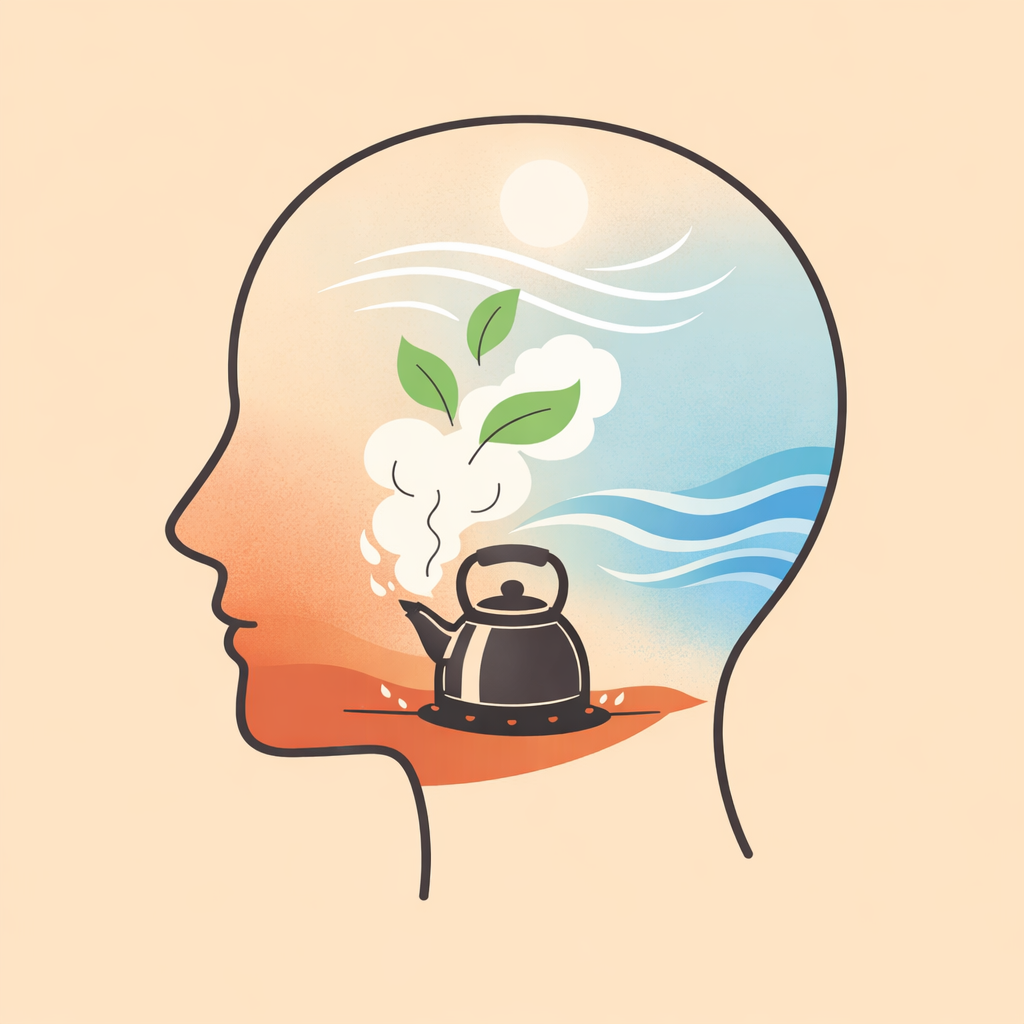
Welcome to our blog post on anger management! Anger is a common emotion that can sometimes get the best of us. But fear not! With the right techniques and mindset, you can learn to master your anger and cultivate a calmer, more peaceful state of mind. Let’s dive in! Understanding Anger: Anger is like a boiling kettle ready to explode when it’s too hot. It’s a natural emotion we all experience, but it’s important to recognize what triggers our anger and how we respond to it. By understanding our triggers and reactions, we can start to take control of our anger. Anger is a natural human emotion that can range from mild irritation to intense rage. It is often triggered by perceived threats, injustices, or frustrations. Understanding anger involves recognising its causes, effects, and how it influences behavior. Managing anger effectively requires developing self-awareness, healthy coping mechanisms, and communication skills to express emotions constructively. Triggers and Responses: Triggers are events, situations, or thoughts that can provoke emotional reactions such as anger, sadness, or fear. Responses refer to how individuals react to these triggers, which can be either constructive or destructive. Recognizing triggers and learning to manage responses are essential for emotional regulation and maintaining healthy relationships. Strategies such as mindfulness, cognitive reframing, and relaxation techniques can help individuals respond more effectively to triggers and manage their emotions. Effects of Anger: Uncontrolled anger can have negative effects on our health and well-being. It’s like a storm brewing inside us, causing stress and tension that can harm our physical and emotional health. Learning to manage our anger is essential for our overall well-being. Anger Management Techniques: There are simple yet powerful techniques to help us control our anger. From deep breathing exercises to mindfulness practices, these tools can help us calm our minds and diffuse our anger in challenging situations. By practicing these techniques, we can learn to respond to anger more effectively. Communication Skills: Effective communication is key to managing anger. By learning to express our feelings assertively and listen actively to others, we can prevent misunderstandings and conflicts that often lead to anger. Good communication helps us build stronger relationships and handle anger more constructively. Cognitive Restructuring: Cognitive restructuring is all about changing our thinking patterns. Instead of jumping to conclusions or catastrophizing, we can challenge our negative thoughts and replace them with more rational and balanced ones. This shift in mindset can help us approach situations with clarity and calmness. Stress Management: Stress is often a trigger for anger. By practicing stress management techniques like physical exercise 🏋️‍♂️ and relaxation methods, we can reduce our overall stress levels and prevent anger from escalating. Managing stress effectively is key to maintaining our emotional well-being. Healthy Outlets for Anger: Instead of letting anger consume us, we can channel it into healthy outlets. Engaging in physical activities or creative pursuits like painting can help us release pent-up emotions in a positive way. Finding healthy outlets for our anger can lead to a sense of relief and empowerment. Anger In short Mastering anger is a journey that requires patience and practice. By implementing these simple yet effective strategies, you can take control of your anger and cultivate a greater sense of peace and well-being. Remember, you have the power to choose how you respond to anger—choose wisely! We hope this blog post has provided you with valuable insights and tools to help you on your journey to mastering anger. Stay calm, stay positive, and remember that you have the power to control your emotions. Here’s to a happier, healthier you!

Managing Anger: A Simple Guide to Anger Management Read More »