Walk the Talk

Blog

Your blog category

From Darkness to Light: A Story of Autoimmune Resilience​

Hi, I am Jaitrali Jhanjharya.Let me start by saying that there is a disorder which has no cause and no cure, called Autoimmune. There are 80 plus disorders falling under this category.My dear friends, I stand before you today to share my journey – a journey that has been filled with challenges, but also with immense courage, resilience, and an unwavering spirit.It all began years ago, in 2004, when an inexplicable numbness started to creep into my body. Like shadows cast upon my soul, this strange sensation made its presence known. But just as quickly as it appeared, it faded away, leaving me bewildered by its fleeting nature.Then, in 2006, the symptoms returned, unrelentingly. Numbness began to crawl upwards, instilling fear in the depths of my being. Desperate for answers, I sought solace in the arms of various orthopaedic specialists, only to find that all tests came back clear. The elusive diagnosis remained just beyond my grasp.Determined not to let uncertainty define my journey, I embarked on a quest to find the truth. Seeking the guidance of a neurologist, I found myself handed a prescription accompanied by the word “probable autoimmune.” It was a cryptic clue, a mere hint at the underlying cause of my suffering. Confusion engulfed me as I grappled with the question, “What is autoimmune?” Time continued to pass, with fleeting moments of respite, until 2009 arrived, shrouded in a darkness that threatened to consume me. The numbness intensified, accompanied by loss of balance that shook me to my core. Helplessness wrapped its suffocating tendrils around me as I searched for a cure.Returning once again to the orthopaedic realm, I yearned for solace and understanding. While tests continued to come back clear, the empathy of one particular doctor warmed my weary heart. It was through his suggestion of an MRI that the hidden truths of my condition were finally unveiled – dark, haunting plaques scattered across my brain and spine, as multiple sclerosis attacked with an unyielding fury. With this revelation came the desperate need for hospitalization, and treatment began in earnest. Solumedral IV became my lifeline, pumping hope and strength into my veins. Within a mere seven days, I gained nine kilograms, a physical transformation that both astounded and alarmed me.The doctors urged me to leave my job, to succumb to the limitations of my illnesses and rest. But deep within the core of my being, I knew that giving up was not an option. I refused to be defined by my afflictions. Instead, I stood tall, determined to accomplish great things that would not only inspire others but set my own spirit free.And so, I did just that. I stood, among the ranks of the “Top 10 Most Powerful Digital Women,” a beacon of strength and boldness. I was also recognized as one of the “Top 20 International Digital Marketers,” defying the odds and proving that my strength could not be quelled.Today, I share my story with you, with unwavering conviction and a heart full of pride. I am a warrior, fighting battles within my own body, embracing the challenges that life has thrown my way. Multiple sclerosis and Crohn’s disease may try to bring me down, but I will not falter. I will rise above, wearing my crown of victory. With every step I take, with every obstacle I conquer, I continue along my journey, guided by hope. In the face of adversity, I find solace and drive. My spirit remains unyielding, ready to seize the opportunities that lie before me. So, my dear friends, let my story serve as a testament to the power of the human spirit. May it ignite a fire within your hearts, unwavering and fierce. And in your own journeys, may you find the strength to rise above, to conquer, and to thrive.My journey with multiple sclerosis and Crohn’s disease has been a tumultuous one, filled with moments of despair, but also moments of triumph. In the face of uncertainty, I have refused to surrender to the limitations that others have imposed upon me. When I was diagnosed with MS, it felt like the ground beneath me had crumbled. Hospitalization became a necessity, and the treatment I received through Solumedral IV brought both relief and physical transformation. But fate was not content with one affliction. As I grappled with understanding MS, another enigma presented itself – seventeen times a day, I found myself running to the bathroom, each visit a reminder of the torment inflicted by Crohn’s.The doctors, focused on my MS, dismissed the severity of my digestive symptoms. Refusing to accept their incomplete truth, I pushed them to unravel the mysteries of my body. Finally, an endoscopy revealed the presence of Crohn’s disease, a reality that both laughter and sorrow embraced within me. Two autoimmune disorders, intertwined within my being, challenging me in unimaginable ways.They told me to give up, to resign myself to a life of rest. But that was not who I was. I worked tirelessly, defying their limited notions and carving a path of success in the digital world. Being recognized as one of the “Top 10 Most Powerful Digital Women” and as one of the “Top 20 International Digital Marketers” was not only a personal triumph but a testament to my resilience and determination.Through the depths of pain and the weight of despair, I have discovered that love and passion provide the fuel to defy life’s unfair share. MS and Crohn’s may challenge and consume, but they do not define me. I am defined by my strength, by my unwavering belief in the power of the human spirit.In the darkness of my circumstances, a glimmer of hope appeared in the form of CCSVI, an experimental treatment that held the promise of a potential solution. We embarked on this journey, filled with uncertainty but fueled by the desire for relief. Despite the procedure’s failure, and the subsequent lack of awareness among Indian doctors, I remain determined to find assistance and relief from the relentless

From Darkness to Light: A Story of Autoimmune Resilience​ Read More »

From Darkness to Light: A Story of Autoimmune Resilience​

Hi, I am Jaitrali Jhanjharya.Let me start by saying that there is a disorder which has no cause and no cure, called Autoimmune. There are 80 plus disorders falling under this category.My dear friends, I stand before you today to share my journey – a journey that has been filled with challenges, but also with immense courage, resilience, and an unwavering spirit.It all began years ago, in 2004, when an inexplicable numbness started to creep into my body. Like shadows cast upon my soul, this strange sensation made its presence known. But just as quickly as it appeared, it faded away, leaving me bewildered by its fleeting nature.Then, in 2006, the symptoms returned, unrelentingly. Numbness began to crawl upwards, instilling fear in the depths of my being. Desperate for answers, I sought solace in the arms of various orthopaedic specialists, only to find that all tests came back clear. The elusive diagnosis remained just beyond my grasp.Determined not to let uncertainty define my journey, I embarked on a quest to find the truth. Seeking the guidance of a neurologist, I found myself handed a prescription accompanied by the word “probable autoimmune.” It was a cryptic clue, a mere hint at the underlying cause of my suffering. Confusion engulfed me as I grappled with the question, “What is autoimmune?”   ghbftyuj With this revelation came the desperate need for hospitalization, and treatment began in earnest. Solumedral IV became my lifeline, pumping hope and strength into my veins. Within a mere seven days, I gained nine kilograms, a physical transformation that both astounded and alarmed me.The doctors urged me to leave my job, to succumb to the limitations of my illnesses and rest. But deep within the core of my being, I knew that giving up was not an option. I refused to be defined by my afflictions. Instead, I stood tall, determined to accomplish great things that would not only inspire others but set my own spirit free.And so, I did just that. I stood, among the ranks of the “Top 10 Most Powerful Digital Women,” a beacon of strength and boldness. I was also recognized as one of the “Top 20 International Digital Marketers,” defying the odds and proving that my strength could not be quelled.Today, I share my story with you, with unwavering conviction and a heart full of pride. I am a warrior, fighting battles within my own body, embracing the challenges that life has thrown my way. Multiple sclerosis and Crohn’s disease may try to bring me down, but I will not falter. I will rise above, wearing my crown of victory. With every step I take, with every obstacle I conquer, I continue along my journey, guided by hope. In the face of adversity, I find solace and drive. My spirit remains unyielding, ready to seize the opportunities that lie before me. So, my dear friends, let my story serve as a testament to the power of the human spirit. May it ignite a fire within your hearts, unwavering and fierce. And in your own journeys, may you find the strength to rise above, to conquer, and to thrive. My journey with multiple sclerosis and Crohn’s disease has been a tumultuous one, filled with moments of despair, but also moments of triumph. In the face of uncertainty, I have refused to surrender to the limitations that others have imposed upon me. When I was diagnosed with MS, it felt like the ground beneath me had crumbled. Hospitalization became a necessity, and the treatment I received through Solumedral IV brought both relief and physical transformation. But fate was not content with one affliction. As I grappled with understanding MS, another enigma presented itself – seventeen times a day, I found myself running to the bathroom, each visit a reminder of the torment inflicted by Crohn’s.The doctors, focused on my MS, dismissed the severity of my digestive symptoms. Refusing to accept their incomplete truth, I pushed them to unravel the mysteries of my body. Finally, an endoscopy revealed the presence of Crohn’s disease, a reality that both laughter and sorrow embraced within me. Two autoimmune disorders, intertwined within my being, challenging me in unimaginable ways.They told me to give up, to resign myself to a life of rest. But that was not who I was. I worked tirelessly, defying their limited notions and carving a path of success in the digital world. Being recognized as one of the “Top 10 Most Powerful Digital Women” and as one of the “Top 20 International Digital Marketers” was not only a personal triumph but a testament to my resilience and determination.Through the depths of pain and the weight of despair, I have discovered that love and passion provide the fuel to defy life’s unfair share. MS and Crohn’s may challenge and consume, but they do not define me. I am defined by my strength, by my unwavering belief in the power of the human spirit.In the darkness of my circumstances, a glimmer of hope appeared in the form of CCSVI, an experimental treatment that held the promise of a potential solution. We embarked on this journey, filled with uncertainty but fueled by the desire for relief. Despite the procedure’s failure, and the subsequent lack of awareness among Indian doctors, I remain determined to find assistance and relief from the relentless grip of these diseases. Sadly, the medical world often fails to fully understand the complexities and nuances of invisible illnesses like MS and the effects they have on mental health. I have found myself trapped in a web of misdiagnoses and ineffective treatments, labeled as depressed when my symptoms don’t fit these narrow definitions. The medication, the weight gain, and the side effects have only further burdened me on this already treacherous path.But I refuse to let their limited understanding define me. I am more than what they see. I am a warrior, fighting an unceasing battle every day. I refuse to let the weight of depression and the stigma

From Darkness to Light: A Story of Autoimmune Resilience​ Read More »

Me and my conversation with MS

Me and my conversation with MS

Just another day, again, I had a conversation with MS…. I have a weekly session with MS like a therapist visit  I asked him… What did you love in me that you chose my body to others? He replied “You”. You are beautiful inside out… But yet You are strong rebellious so i thought I will TRY you and I sneaked into your body when I knew you would not take notice of it. I showered you with pain… Agony…. Both mental and physical…. But you refused to budge…you refused to give in. You smiled through the pain and you mocked at me…. When I actually wanted you to cry.  I put you through those dark tunnels with loud pounding noise… I ensured i kept pricking you till there were no veins left but you did not flinch. I was full of angst… I wanted to pin you down so you could wriggle in pain. I put those pipes inside you, I ensured i snatched away your sleep and give you no respite you seemed to ignore me still…while I loved your body I detested your mind. I hated the resilience you carried so gracefully, with that smile that you wore.  That’s when I knew I could not rattle you… You are God’s Child with a twist. I knew you will not allow me to defeat you but I will exist in you and watch you become frail… Fatigued…helpless… And finally cease to exist… I made you cripple even then you overpowered me.  I mocked at MS once again…” I dare you ” “TRY ME” I screamed back at him. You love my body you say… But you have no existence… Noone has even seen you. You exist in me without a face…. You are invisible…You are a coward I whispered in his ears… You are just a parasite living in other’s body without revealing your identity… Like you sneaked into mine. And I have no place in my body and mind to entertain you anymore.  I was  I am  I will be  WITH YOU IN ME And now I say again TRY ME!!! YOU CAN NEVER GET ME!!! This is not just my story but all of you, who are MS effected. Dont let your MS play games with you. Shout out loud “YOU ARE AN UN-INVITED GUEST IN MY BODY… BECAUSE I HAD ALLOWED YOU.. Not knowing you are one of those tenants who take refuge and deny to leave, making it your home, little that you realised you will be only cursed… Cursed by all who you have attacked.  But Dear MS you don’t know what you empowered us with  Resilience Acceptance Endurance  Adaptability  Needless to say, immuned to the pain you keep injecting  in us. You don’t know how good you are…. Just when I felt hopeless and nothing to look forward to… You compelled me I had a job no more but you did not know you opened so many doors…. Doors to defeat you….you taught me to speak against you…you showed me ways to reach others who YOU have you.  You encouraged us to do all that we did not think we would or could. You blessed us with multiple things that were all but a dream.  My MS warriors make MS MY STRENGTH!!! For you are unshakable… Unstoppable….We stand strong and MS will fail. Yes its not easy but not impossible either. Live like you never lived before… Laugh like you never laughed before… Cry out to release your pain… But not by giving in to MS LoveMS embrace MS because YOU are strong… I CAN HAVE MS MS CANNOT HAVE ME!!!  Visit Mayo Clinic to know MS  Resilience Acceptance 

Me and my conversation with MS Read More »

The Social Media Maze: A Comprehensive Guide for the Modern Users

The Social Media Maze: A Comprehensive Guide for the Modern Users

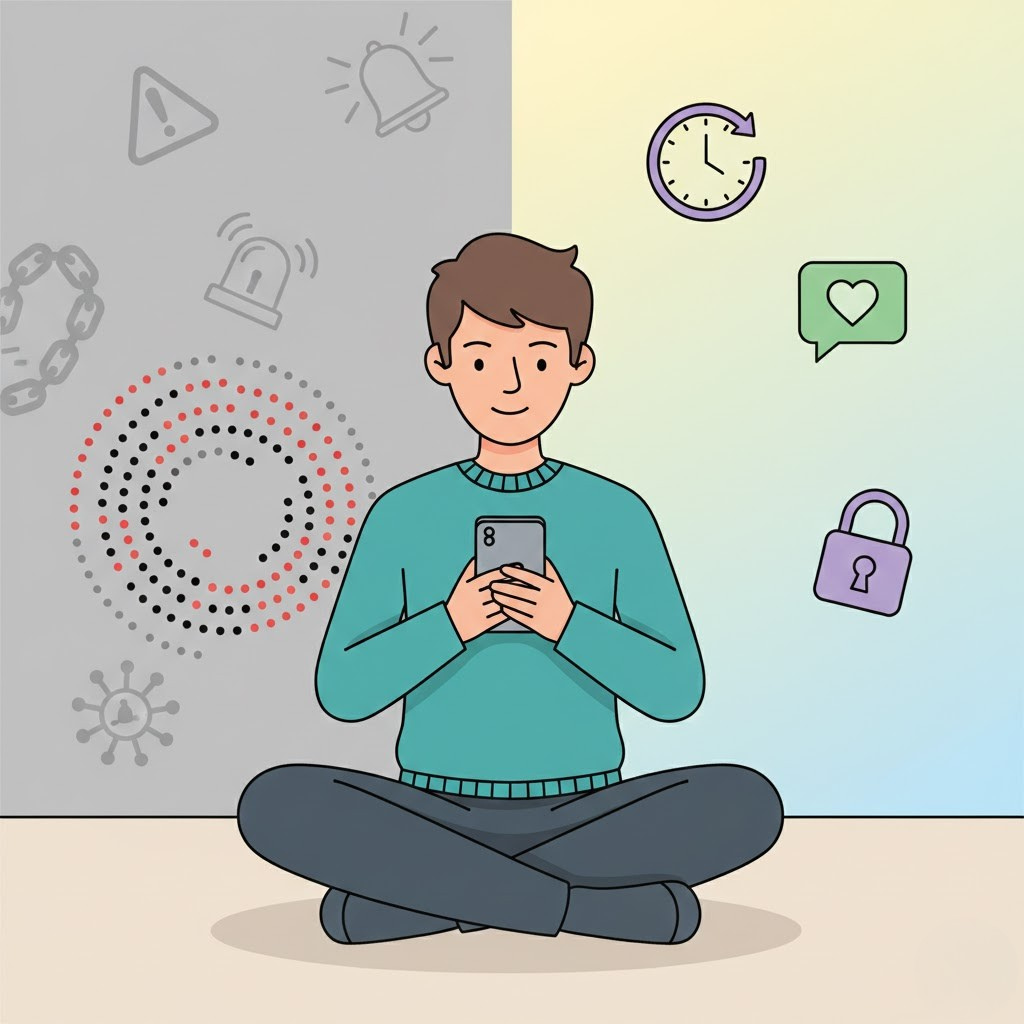
In the digital age, social media has become an integral part of our daily lives. It’s a broad term that includes a variety of online platforms where people can engage, share, and interact with each other virtually. Let’s break down this concept and explore how different groups can approach social media responsibly and make the most of its benefits while minimizing its drawbacks. Understanding Social Media Social media is essentially a collection of online tools and spaces where individuals can share content, from photos and videos to thoughts and updates, with a wide audience. It’s where conversations happen, news spreads, and communities form. The Social Media Universe There are many social media platforms out there, each with unique features and communities. Facebook allows users to connect with friends and family, share updates, and join groups. Twitter is known for its real-time discussions and the brevity of its posts. Instagram and Pinterest are visually oriented, perfect for sharing images and inspiration. LinkedIn is a professional network, whereas TikTok has emerged as a platform for short-form video entertainment and expression. Social Media Etiquette: Minding Your Digital Manners Engaging in social media comes with a responsibility to be considerate and ethical. This includes respecting others’ opinions, protecting personal information, and understanding the impact of your online footprint. It’s important to remember that behind every profile is a person with feelings that can be hurt by thoughtless comments or posts. Making Smart Choices in Social Media Consumption Social media is like a buffet of information. It’s up to you to choose what to put on your plate. Follow sources and individuals that enrich your knowledge, align with your interests, or simply bring joy and positivity into your life. Be critical of the content you consume and question its accuracy before sharing. Adults on Social Media: Finding a Healthy Balance For adults, social media can be a double-edged sword. It’s valuable for keeping in touch, networking, and staying informed, but can also be a major distraction and stressor. Adults should strive to use these platforms with intention, setting limits to prevent them from encroaching on work, sleep, or family time. The Delicate Question: Social Media and Children Children are growing up in an era where social media is the norm. While it can be educational and entertaining, it also poses risks such as exposure to inappropriate content or cyberbullying. It’s generally advisable to delay the introduction of social media as long as possible, and when the time comes, to do so under close parental supervision. Teaching the Digital Natives: Parental Guidance in Social Media Parents can help their children navigate social media by being involved and informed. Set clear rules, use parental controls, and be a role model in your social media use. Encourage open communication about what they encounter online and guide them towards positive online habits and critical thinking about the content they consume. Time Management in the Age of Social Media The addictive design of social media can lead to endless scrolling, often at the expense of real-world activities and interactions. It’s important to be conscious of how much time is spent on these platforms. Setting specific times for checking social media can help maintain a healthy balance. The Double-Edged Sword: Advantages and Disadvantages of Social Media Social media can be a powerful tool for connection, learning, and activism. It breaks down geographical barriers and fosters global communities. It can amplify marginalized voices and mobilize movements for social change. However, it can also contribute to feelings of inadequacy through unrealistic comparisons, facilitate echo chambers that polarize opinions, and even affect mental health. Weighing the Benefits and Drawbacks Social media’s benefits are significant. It allows for immediate communication, the exchange of ideas, and access to a diversity of perspectives. It can be a springboard for creativity and a platform for business growth. For many, it’s an invaluable tool for staying connected with loved ones who are far away. On the flip side, social media can be a breeding ground for misinformation and a playground for trolls. It can contribute to shorter attention spans and a reduced ability to focus. Privacy concerns are also at the forefront, as users must navigate how much personal information to share and whom to trust online. Finding Harmony with Social Media The key to a healthy relationship with social media lies in mindful usage. Be conscious of the time you spend online, the content you engage with, and the personal data you share. Strive for a balanced approach where social media serves as a complement to your life rather than a dominating force.

The Social Media Maze: A Comprehensive Guide for the Modern Users Read More »

Sex Education and Curiosity Among Teens

Empowering Parents and Teachers to Talk: Sex Education and Curiosity Among Teens

Discussing sexuality and sexual health is crucial for the well-being and development of teenagers. Yet, in numerous societies, such as India, there’s a prevalent cycle of silence and taboo when it comes to conversations about adolescent sexual health. “Empowering Parents and Teachers to Talk: Sex Education and Curiosity Among teens” When it comes to sexuality and sexual health, equipping teenagers with the necessary information is vital for their well-being and development. However, in many societies, including India, there is a cycle of silence and taboo surrounding discussions about adolescent sexual health. In this blog post, we will explore the importance of breaking this cycle and highlight the need for open and informed conversations between parents, teachers, and teenagers. The Significance of Early Sex Education: Experts emphasize the importance of early sex education in preventing teenage pregnancies and promoting responsible sexual behaviour. By providing accurate and age-appropriate information, teenagers can make informed decisions about their bodies and relationships. Educating adolescents about contraception, sexually transmitted infections (STIs), consent, and healthy relationships can help prevent unwanted pregnancies and the spread of STIs. Ensuring Access to Sexual Healthcare: Access to sexual healthcare is crucial for teenagers. It is the responsibility of parents and guardians to ensure that teenagers have access to medical resources, such as regular check-ups, contraception, and information about sexual health clinics. By providing this support, parents and guardians can help teenagers prioritize their sexual well-being and address any concerns they may have. Teaching Gender and Consent from an Early Age: Experts argue that discussions related to gender and consent should begin during early childhood itself. By teaching children about the concepts of gender equality, respect, and consent, we can create a foundation for positive and healthy relationships. When children understand the importance of consent and respect for personal boundaries, they are better equipped to navigate relationships and make informed decisions as they grow older. Breaking Societal Taboos: In many societies, including India, there is a cultural taboo surrounding discussions about sexuality and sexual health. This silence perpetuates harmful myths, misinformation, and ignorance among teenagers. Parents and teachers have the power to break this cycle of silence by engaging in open, honest, and non-judgmental conversations with teenagers. Creating a safe and supportive environment where teenagers feel comfortable asking questions and seeking guidance is crucial for their sexual well-being. The Role of Teachers: Teachers play a significant role in promoting adolescent sexual health. They have the opportunity to deliver comprehensive sex education in schools and engage students in meaningful discussions. It is essential for teachers to receive proper training and support in delivering accurate and age-appropriate information. By encouraging open dialogue, providing resources, and addressing any concerns or misconceptions, teachers can empower teenagers to make informed decisions and develop healthy attitudes towards their own sexuality. Conclusion: Breaking the cycle of silence surrounding adolescent sexual health is crucial for the well-being and development of teenagers. Parents and teachers have a shared responsibility to engage in open and informed conversations, providing accurate information and support. By equipping teenagers with the necessary knowledge and skills, we can empower them to make responsible choices, prioritize their sexual well-being, and navigate relationships with respect and consent. Let us come together as a society to break the barriers of silence and create a future where adolescent sexual health is prioritised and openly discussed.

Empowering Parents and Teachers to Talk: Sex Education and Curiosity Among Teens Read More »

Educating Children about Sexuality and Sexual Health

Educating Children about Sexuality and Sexual Health

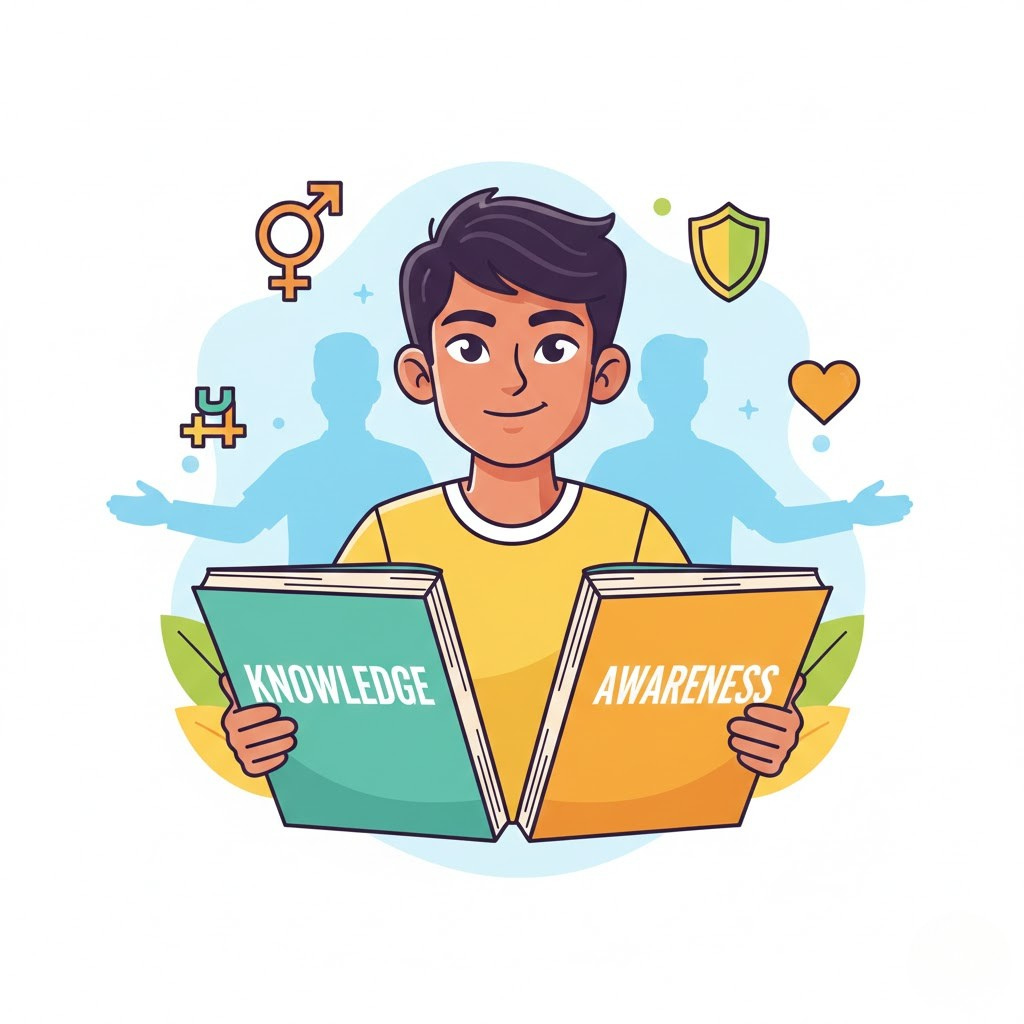
Sexuality is an inherent and crucial part of human existence, and it’s completely natural for children to explore questions about sex and their own bodies. However, in numerous cultures, including India, there’s often a reluctance to engage in conversations about the sexual and reproductive health of adolescents. This piece seeks to highlight the importance of offering children thorough education on sexuality, confronting the traditional views that have long neglected this essential element of their growth. Sexuality is a natural and essential aspect of human life, and it is normal for children to be curious about sex and their sexual organs. However, in many societies, including India, there is a hesitancy to discuss adolescent sexual and reproductive health This article aims to shed light on the significance of providing comprehensive education about sexuality to children, challenging the conservative attitudes that have historically overlooked this vital aspect of their development. The Impact of Conservative Attitudes: India, with its conservative attitudes towards sexual behavior, has traditionally neglected the topic of adolescent sexual and reproductive health. Many children grow up without being taught the anatomically correct names for their body parts or receiving accurate information about sexuality. This lack of knowledge can lead to confusion, misconceptions, and even unsafe sexual practices. Recognizing Curiosity and Natural Sexual Development: It is crucial to acknowledge that children naturally develop a curiosity about sex and their bodies as they grow older. This curiosity should be embraced rather than shunned or ignored. By providing age-appropriate information and fostering a supportive environment, we can empower children to navigate their sexuality in a healthy and informed manner. Challenging the Taboos: In our traditional society, discussions about sexuality have often been considered taboo. However, research and studies have shown that even in rural and urban areas of India, adolescents are engaging in sexual activities. It is therefore vital to ask ourselves why we continue to keep them ill-informed about this natural aspect of life. By breaking the silence and challenging these taboos, we have the opportunity to provide children with the knowledge and tools they need to navigate their sexual health responsibly. Comprehensive and Age-Appropriate Education: Comprehensive sex education is essential for children to develop a healthy understanding of their bodies, relationships, and sexual health. It should go beyond the mere biological aspects of reproduction and encompass topics such as consent, healthy relationships, contraception, sexually transmitted infections (STIs), gender equality, and LBQT+ inclusivity. By providing accurate and age-appropriate information, we can help children make informed decisions, develop healthy attitudes towards their own bodies, and promote respect and consent. The Role of Parents and Educators: Parents and educators play a critical role in providing holistic sex education to children. It is important for parents to create an open and non-judgmental environment where children feel comfortable asking questions about sex and sexuality. Educators should receive proper training to deliver comprehensive sex education in schools, ensuring that they have the knowledge and skills to address students’ queries and concerns. By working together, parents and educators can foster an open dialogue and provide the support and information children need. Conclusion: Embracing natural curiosity and educating children about sexuality and sexual health is essential for their overall well-being and development. By challenging conservative attitudes and providing comprehensive education, we can empower children to make responsible choices, develop healthy attitudes towards their bodies, and build respectful and consensual relationships. Let us break the silence, dispel taboos, and prioritise the sexual health education of children, creating a future where they have access to accurate information and the necessary tools to navigate their sexual lives in a safe and informed manner.

Educating Children about Sexuality and Sexual Health Read More »

Overwhelmed by Abandonment: Coping with Loneliness and Frustration

Overwhelmed by Abandonment: Coping with Loneliness and Frustration

During periods of illness and isolation, the support and company provided by our caregivers can be as comforting as a warm hug. However, when they step back, leaving us to confront sickness and solitude on our own, the sense of abandonment intensifies the hurt. In times of sickness and solitude, the care and companionship of our caregivers can feel like a warm embrace. But when they turn away, leaving us to face illness and loneliness alone, the pain runs deep. In this blog post, we’ll explore the emotional toll of being abandoned by caregivers during illness and loneliness, and share gentle ways to navigate this difficult journey with strength and compassion. The Weight of Abandonment When caregivers, the ones we trust to help us through sickness and loneliness, step back, the hurt can be overwhelming. Their absence can leave us feeling lost and alone, adding a heavy burden to an already tough situation. A Sense of Betrayal: It can be hard to understand why those we relied on to take care of us have suddenly disappeared. We may feel hurt and confused, wondering why they’ve chosen to leave us when we need them the most. Emotional Isolation: Without our caregivers, we may feel incredibly alone. It’s like being adrift in a sea of uncertainty, with no one to offer a reassuring hand to hold onto. Heightened Vulnerability: When our caregivers leave, our vulnerability seems to grow. We’re left to deal with the challenges of illness and loneliness without the support we thought we could count on, making everything feel even harder to manage. Coping with Abandonment and Loneliness Despite the heavy emotional toll of being abandoned by caregivers during illness and loneliness, there are gentle ways to navigate this difficult journey with grace and resilience. Seeking Alternative Support: Even if our caregivers have left us, there are other people who can help. Friends, family, support groups, or healthcare professionals can offer comfort and understanding, easing the weight of loneliness. Embracing Self-Compassion: It’s important to be kind to ourselves as we face illness and loneliness without the expected support. Treating ourselves with the same care and understanding we would offer a friend can help soothe our spirits. Finding Comfort in Small Joys: During tough times, finding small moments of joy can provide a much-needed break from the pain. Whether it’s the sun shining through the window, a favorite song, or the company of a pet, these little things can offer solace amidst the struggle. Acknowledging Your Strength: It’s important to recognize our own resilience as we face the challenges of illness and loneliness without our caregivers. Our ability to endure and seek comfort in difficult times shows our inner strength. Moving Forward with Hope and Healing Experiencing abandonment by caregivers during illness and loneliness is a deeply painful and isolating experience. Despite the emotional wounds it may inflict, there is hope for healing and resilience. By acknowledging our emotional journey, seeking support from alternative sources, and nurturing our well-being, it’s possible to navigate this challenging terrain with grace and fortitude. In the heartache of abandonment and loneliness, may we find solace and strength, and may our journey be marked by healing and hope

Overwhelmed by Abandonment: Coping with Loneliness and Frustration Read More »

Self-Respect and Ego

Differentiate Between Self-Respect and Ego

Understanding the nuances of self-respect and ego is crucial for fostering healthy relationships and nurturing a positive view of oneself. Although these terms are frequently considered similar, they are inherently different. In this blog post, we’re going to uncover the differences between self-respect and ego, and examine how to identify when someone is compromising either of these facets of our identity. Navigating the intricacies of self-respect and ego is essential for maintaining healthy relationships and a positive self-image. While these concepts are often used interchangeably, they are fundamentally distinct. In this blog post, we will explore the disparities between self-respect and ego, and delve into how to recognize when someone is undermining either of these aspects of our identity. Self-Respect vs. Ego: Defining the Divide Self-respect is the deep appreciation and regard for oneself, rooted in a sense of inherent worth and personal value. It involves acknowledging one’s strengths and limitations, setting healthy boundaries, and making choices that align with one’s values and well-being. Self-respect is characterized by a balanced and authentic view of oneself, fostering dignity and integrity in one’s actions and interactions with others. Conversely, ego is often associated with an inflated sense of self-importance, a need for validation from external sources, and a tendency to assert dominance or superiority over others. Ego-driven behaviour is typically fueled by a fear of inadequacy and a constant need for affirmation. Unlike self-respect, which is based on a genuine appreciation for oneself and others, ego is characterized by an excessive need for external validation and affirmation. Signs of Harm to Self-Respect or Ego Recognizing when someone is undermining your self-respect or ego is crucial for maintaining healthy boundaries and fostering positive relationships. Here are some indicators that can help you discern whether your self-respect or ego is being compromised: 1. Self-Respect: – Disregard for your boundaries: If someone consistently disregards your boundaries, dismisses your feelings, or invalidates your experiences, they may be undermining your self-respect. – Lack of respect for your choices: People who belittle your decisions, manipulate you into doing things against your will, or fail to consider your autonomy are likely encroaching on your self-respect. – Emotional well-being: Pay attention to how you feel after interacting with someone. If you constantly feel drained, disrespected, or devalued, it may be a sign that your self-respect is being compromised. 2. Ego: – Need for constant validation: If you find yourself seeking validation and approval from others to feel worthy or important, it may indicate that your ego is being overly influenced by external factors. – Reactivity to criticism: An inflated ego often leads to hypersensitivity to criticism, defensiveness, and an inability to accept or learn from feedback. – Competitive and confrontational behavior: When someone’s ego is at play, they may exhibit a strong desire to compete, dominate conversations, or assert their superiority over others. Maintaining Healthy Boundaries Once you’ve identified signs of disrespect toward your self-respect or ego, it’s important to take proactive steps to address the issue and establish healthy boundaries. Here are some strategies to consider: 1. Communicate assertively: Clearly communicate your boundaries, values, and expectations to the individual who is encroaching upon your self-respect or ego. Use “I” statements to express how their behavior impacts you and assert your need for respect. 2. Practice self-awareness: Reflect on your own reactions and behaviors to discern whether your responses are rooted in self-respect or ego-driven impulses. Developing self-awareness can help you respond more effectively in challenging situations and maintain a healthy balance between asserting boundaries and fostering positive relationships.

Differentiate Between Self-Respect and Ego Read More »

Supporting Caregivers

Supporting Caregivers: The Importance of Counselling and Talk Therapy for Terminal Illness and Old Age

Caregivers play the crucial role of providing daily support to their loved ones who are dealing with illness or disability. They frequently find themselves in the position of making challenging choices regarding treatment and care. Additionally, they often experience significant emotional strain when the condition of their loved ones worsens. Caregivers are the ones who provide the day-to-day care for their loved ones who are sick or disabled. They are often the ones who make the tough decisions about treatment and care. And they are often the ones who suffer the most when their loved one’s condition deteriorates. Caregivers are often invisible to the healthcare system. They are not always recognized for their contributions, and they may not have access to the resources and support they need. This can lead to caregiver burnout, which can have a negative impact on both the caregiver and the person they are caring for. We need to hear the voices of caregivers. We need to recognize their sacrifices and appreciate their contributions. We need to support them with resources and services so that they can continue to care for their loved ones without being overwhelmed. Here are some specific ways to help caregivers: Listen to their stories. Caregivers often feel isolated and alone. Just listening to their stories can be a great way to show your support. Offer practical help. This could include things like cooking meals, running errands, or providing respite care. Refer them to resources. There are many resources available to caregivers, such as support groups, counselling services, and financial assistance. Be patient and understanding. Caregiving is a demanding job, and caregivers need our understanding and support. Let’s all do our part to support caregivers. They deserve to be heard and they deserve our help. Read more on Caregivers! Here are some additional thoughts on why caregivers need to be heard: Caregiving is a physically and emotionally demanding job. Caregivers often have to make difficult decisions about their loved one’s care. Caregivers may have to give up their own jobs, hobbies, and social activities. Caregivers may experience financial hardship due to the cost of caregiving. Caregivers may experience isolation and loneliness. Caregivers may experience stress, anxiety, and depression. It is important to remember that caregivers are human beings too. They need our support and understanding. We need to hear their voices and let them know that we care. There are times when a caregiver also needs to seek help from counsellors to vent out and more than that to know how exactly to handle the effected. It’s not always easy and one needs professional help too. Caregivers are the silent partners in the healthcare system. They are the ones who provide the day-to-day care for their loved ones who are sick or disabled. They are often the ones who make the tough decisions about treatment and care. And they are often the ones who suffer the most when their loved one’s condition deteriorates. Caregivers are often invisible to the healthcare system. They are not always recognized for their contributions, and they may not have access to the resources and support they need. This can lead to caregiver burnout, which can hurt both the caregiver and the person they are caring for. We need to hear the voices of caregivers. We need to recognise their sacrifices and appreciate their contributions. We need to support them with resources and services so that they can continue to care for their loved ones without being overwhelmed. Here are some specific ways to help caregivers: Listen to their stories. Caregivers often feel isolated and alone. Just listening to their stories can be a great way to show your support. Offer practical help. This could include things like cooking meals, running errands, or providing respite care. Refer them to resources. There are many resources available to caregivers, such as support groups, counselling services, and financial assistance. Be patient and understanding. Caregiving is a demanding job, and caregivers need our understanding and support. Let’s all do our part to support caregivers. They deserve to be heard and they deserve our help. Here are some additional thoughts on why caregivers need to be heard: Caregiving is a physically and emotionally demanding job. Caregivers often have to make difficult decisions about their loved one’s care. Caregivers may have to give up their own jobs, hobbies, and social activities. Caregivers may experience financial hardship due to the cost of caregiving. Caregivers may experience isolation and loneliness. Caregivers may experience stress, anxiety, and depression. It is important to remember that caregivers are human beings too. They need our support and understanding. We need to hear their voices and let them know that we care.

Supporting Caregivers: The Importance of Counselling and Talk Therapy for Terminal Illness and Old Age Read More »

Help Your Teen Understand Pubert

Help Your Teen Understand Puberty | AN EXPERT GUIDE

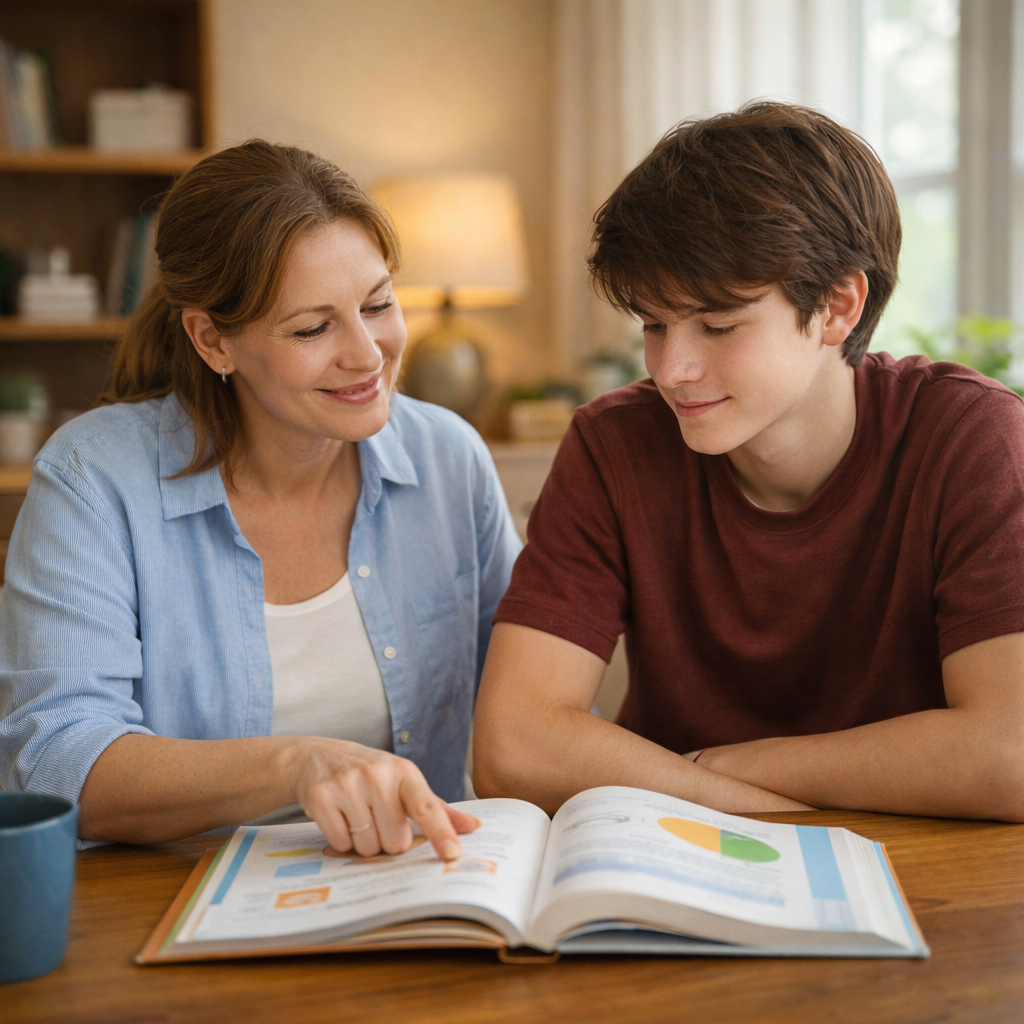
Understanding your teen and setting a tone and choice of words to reach out to them. Setting the Tone, Talking to Your Teens About teen and puberty. Embracing Natural Curiosity: Educating Children about Sexuality and Sexual Health As Talking about puberty with your kids is a key aspect of their growth. The teen years are filled with various physical and emotional transformations, making it essential to handle these discussions with care and support. Employing the right language, showing empathy, and maintaining open lines of communication can create a welcoming space for teenagers to openly talk about these delicate matters. with your children is an important part of their development. The teenage years bring a multitude of physical and emotional changes, and it’s crucial to approach these conversations in a supportive and understanding manner. The use of appropriate language, empathy, and open communication can foster a positive and comfortable environment for teens to discuss these sensitive topics. To help guide you through these conversations, here are some tips and insights on how to approach discussions about puberty with your teens: Remember that open communication, empathy, and the use of accurate language are essential when discussing puberty with your teens. These conversations can help them feel more comfortable with the changes they’re going through and reinforce the idea that they can come to you with any questions or concerns. By setting a supportive and understanding tone, you can create a positive and safe environment for your teens to navigate this important phase of their lives. Let’s continue to have constructive and healthy discussions with our teens about these important topics as they grow and develop. Here is how you can drop them a letter too Dear Child I hope this letter finds you well and in good spirits. As you’re growing up, I want to take a moment to talk to you about some of the changes that you may be experiencing or will experience as you enter your teenage years. It’s important for us to have open and honest conversations about these topics, and I want you to know that I am here to support you every step of the way. As you grow older and your body goes through changes, you might notice things like the growth of body hair, your voice changing, or even the start of menstruation. I want you to know that these changes are completely normal and are a natural part of growing up. It’s okay to have questions or feel curious or even a little unsure about these changes. I’m here to help you understand them and support you through this process. I want to encourage you to ask questions and share your thoughts with me. There’s no need to feel embarrassed or shy about discussing these topics. You can come to me with any questions or concerns you may have, and I will do my best to provide you with clear and accurate information. It’s also important to remember that everyone experiences these changes differently, and that’s okay. Your body is unique and special, and I want you to feel comfortable and confident in your own skin. I’m here to help you navigate through this time and to reassure you that you are loved and supported no matter what. I also want to recommend some books and resources that can help you learn more about these changes. These resources are designed to provide additional information in an age-appropriate way. Take your time and explore them at your own pace, and if you have any questions about what you read, we can discuss them together. Remember, these changes are a natural part of life, and it’s okay to talk about them. As you continue to grow and develop, I want you to feel supported, understood, and confident in your journey into adulthood. I believe in you and know that you are capable of handling these changes with grace and strength. I am here for you, and I love you more than words can express. Let’s continue to have open, honest, and meaningful conversations as you grow and learn. With all my love.

Help Your Teen Understand Puberty | AN EXPERT GUIDE Read More »